
News
Indigenous Veterans Day
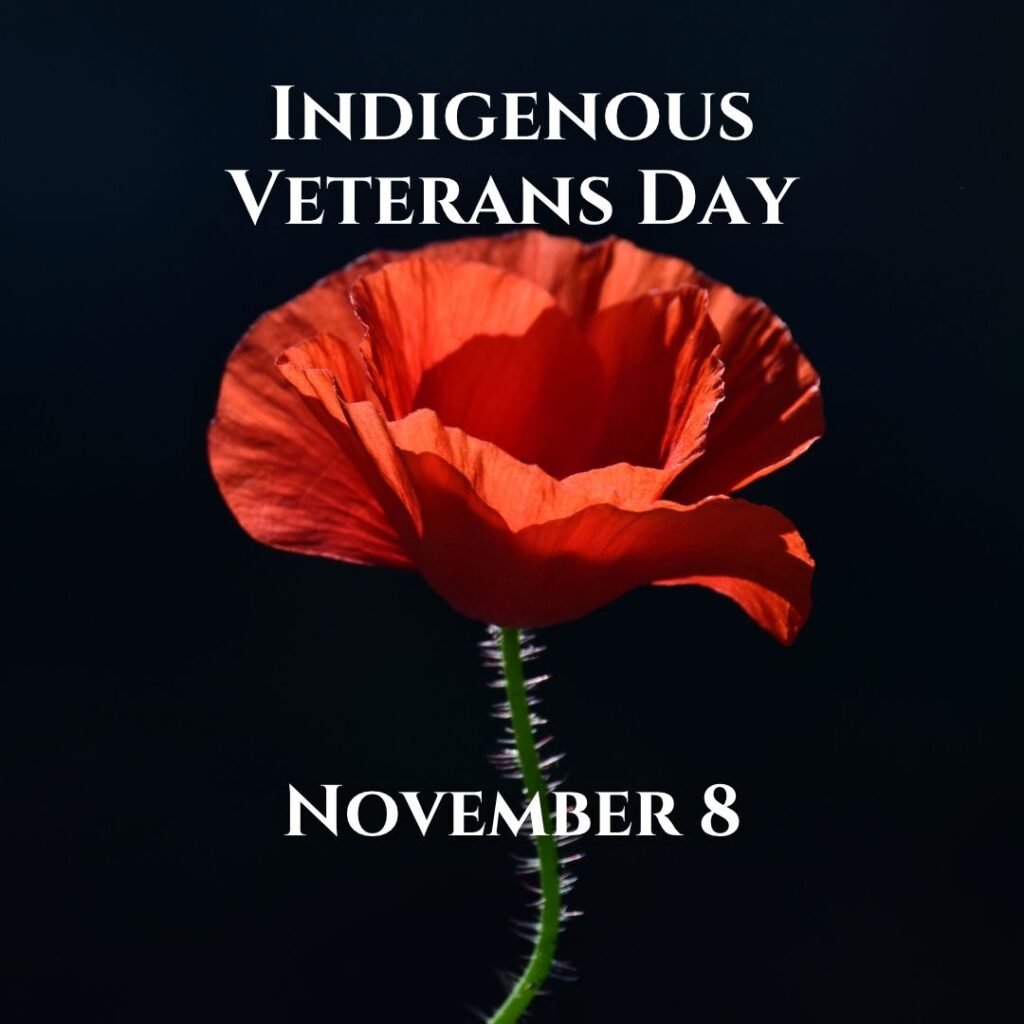
 November 8 is National Indigenous Veterans Day. Thirty years ago, it was created as National Aboriginal Veterans Day to honour Indigenous veterans and pay tribute to their contributions in Canada’s military history.
Under Treaty, Indigenous People did not have to fight on behalf of the Queen or Canada.
Yet thousands chose to serve, defending a country that did not treat them as equals, demonstrating commitment to their Nations and Canada. When they returned home, Indigenous veterans found their Treaty and human rights denied—losing status, land, and access to the same supports given to other veterans. While non-Indigenous veterans received farmland and benefits, Indigenous veterans were often excluded from these programs.
Take time to learn about and honour these veterans
Here are some resources to get started
ithiniw-simâkanisihkânak / Indian Veterans
Salamô omasinahikîwin / Written by Solomon Ratt
UNDRIP Engagement Session
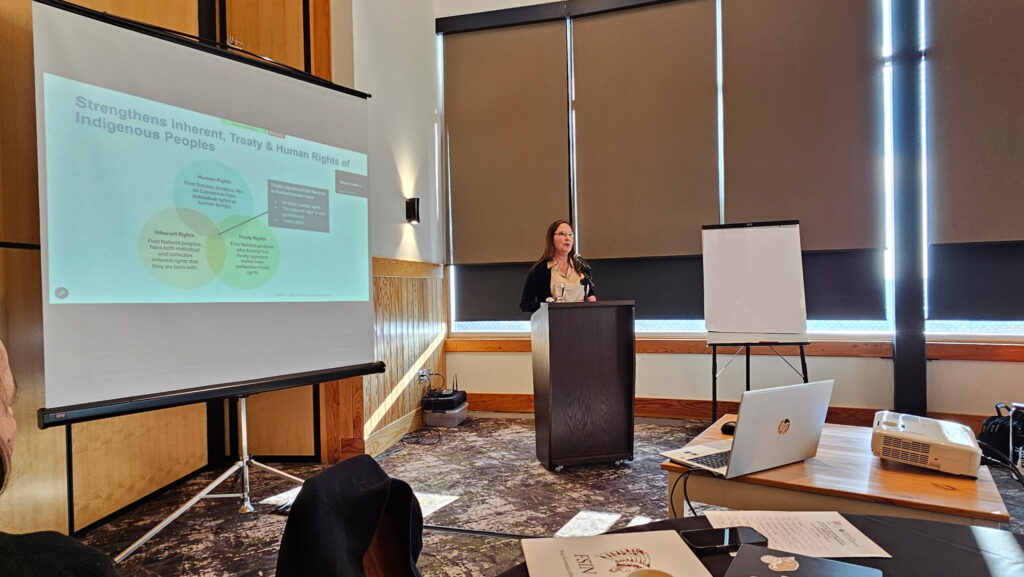
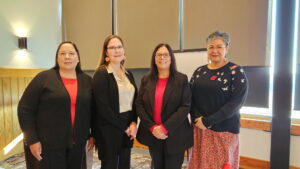
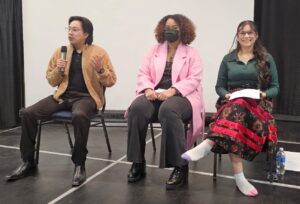
 The Office of the Treaty Commissioner and the Treaty Governance Office of the Federation of Sovereign Nations held an engagement session on the United Nations Declaration on the Rights of Indigenous Peoples on Nov. 5 at Wanuskewin Heritage Park Park.
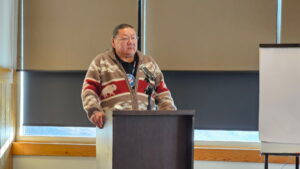
“The goal was to share knowledge and generate discussion, and special speaker Chief Redman shared how his nation is leveraging the UN declaration in affirming their rights,” said Treaty Commissioner of Saskatchewan Dr. Kathy Walker.
The engagement sessions are smaller, regional events intended to promote discussion among attendees and are capped at 30 people. The event filled quickly.
Standing Buffalo Dakota Nation Chief Rodger Redman and technician Solomon Cyr talked about the work the nation has done on an international level, including creating a sovereign declaration and meeting with the UN Special Rapporteur to address racism and discrimination against Indigenous peoples.
“While UNDRIP doesn’t create any new rights, it is a global articulation of inherent and Treaty rights,” Walker said.
FSIN, the Assembly of First Nations, and the OTC provided updates on UNDRIP implementation in Canada, especially concerning the revitalization of Indigenous law and Treaties.
The next session will be held in Moose Jaw on Nov. 16.
Treaty and Youth
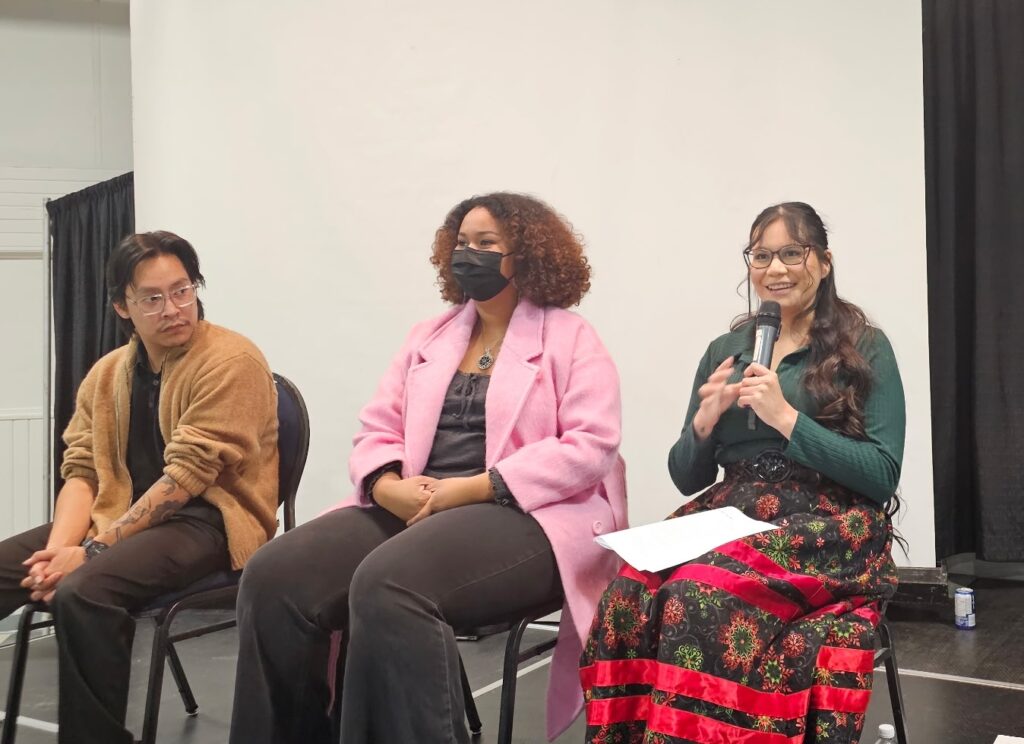
 More than 110 students, teachers, and others piled into the Western Development Museum in Saskatoon on Oct. 29 for the final event in the 2026 Office of the Treaty Commissioner Speaker Series – Treaty for Youth.
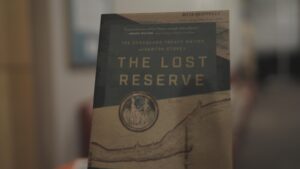
The Lost Reserve
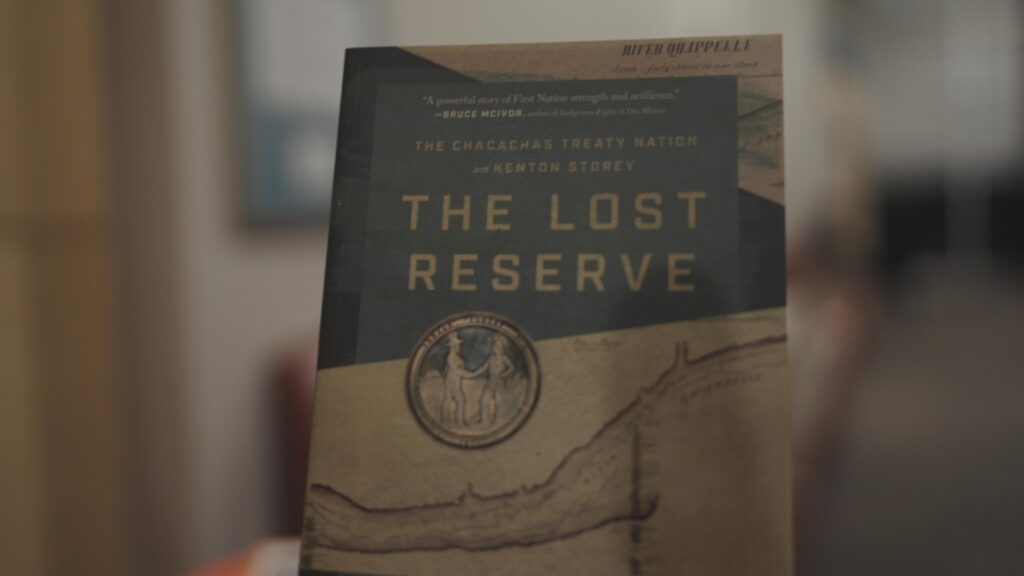
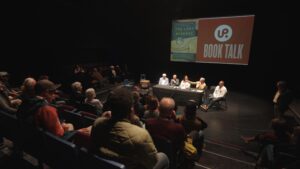 A new book sharing the history of the Chacachas Treaty Nation was launched this month. It’s filled with inspiring stories of their Elders, leaders and citizens who have persevered for generations despite the many obstacles put in place by colonial practices and processes.
Our kēhtē-ayak remind us that Treaty is written in our lands, in our shared histories, languages, songs, ceremonies, traditions and laws and so our Treaty histories remain strong and alive.
By bridging the oral and the written, we confront the silencing and erasure of Treaty histories from mainstream education systems and help create a common understanding of Treaty grounded in truth.
The Lost Reserve: The Taking and Remaking of the Chacachas Treaty Nation, co-authored by historian Dr. Kenton Storey and the Chacachas Treaty Nation (with a foreword by Chief Charlie Bear) draws on extensive 150-year oral history and archival documents to provide readers with the truth of its Treaty history.
This history is a testament to the âhkamêyimow or the strong spirit and will of the Chacachas Treaty Nation to persevere for more than seven generations. Their struggle for justice is ongoing.
The book launch opened with a prayer by the oldest kēhtē-aya of the Chacachas Treaty Nation and an in-depth dialogue moderated by Kathy Walker, Treaty Commissioner, with Chief Charlie Bear, Tom Waller, Dr. Kenton Storey and Peter Watson, with additional commentary provided by long-time grassroots leader, Heather Bear.
To order a copy of the book, published by University of Regina Press, please go to this link: The Lost Reserve: The Taking and Remaking of the Chacachas Treaty Nation.
Photos provided by Jimi Leigh Kinistino, WÂHKÔHTOWIN MEDIA.
Remembering Morley Maier
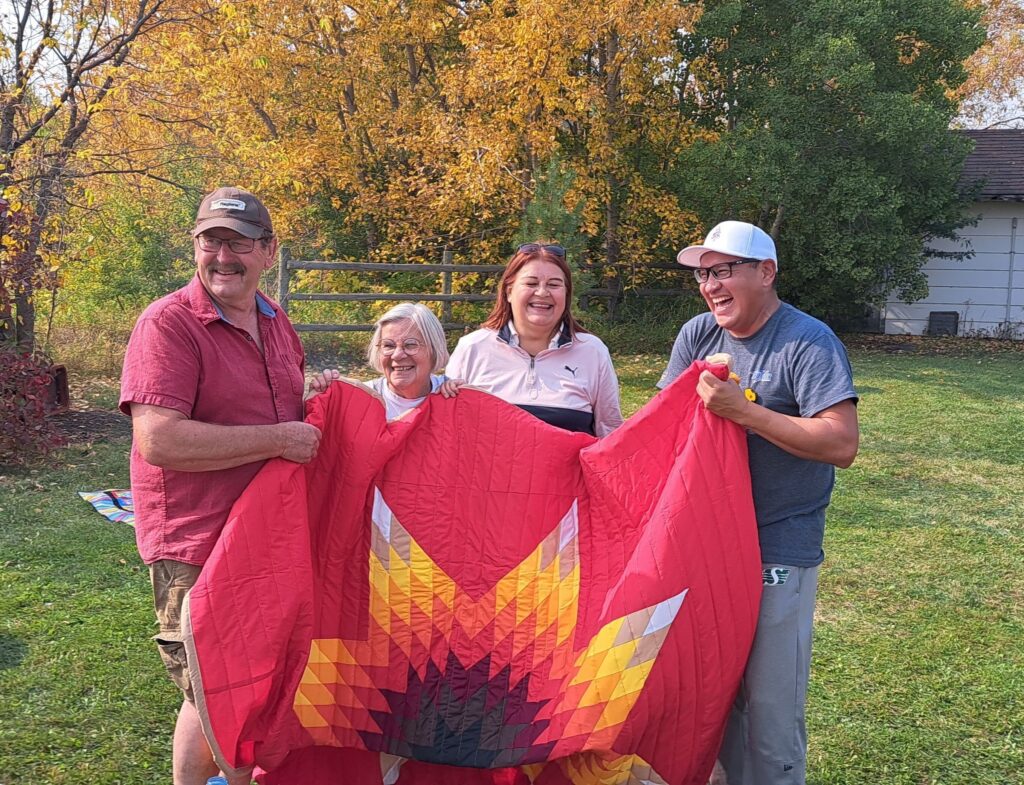
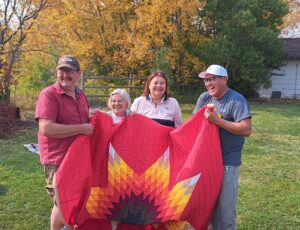 The Office of the Treaty Commissioner was saddened to hear of the death of Morley Maier.
National Day for Truth and Reconciliation 2026
 The National Day for Truth and Reconciliation, also known as Orange Shirt Day happens Sept. 30. This day has become an opportunity to recognize and commemorate the history and ongoing impact of residential schools, while honouring the survivors, their families, and communities.
Spirit and Intent
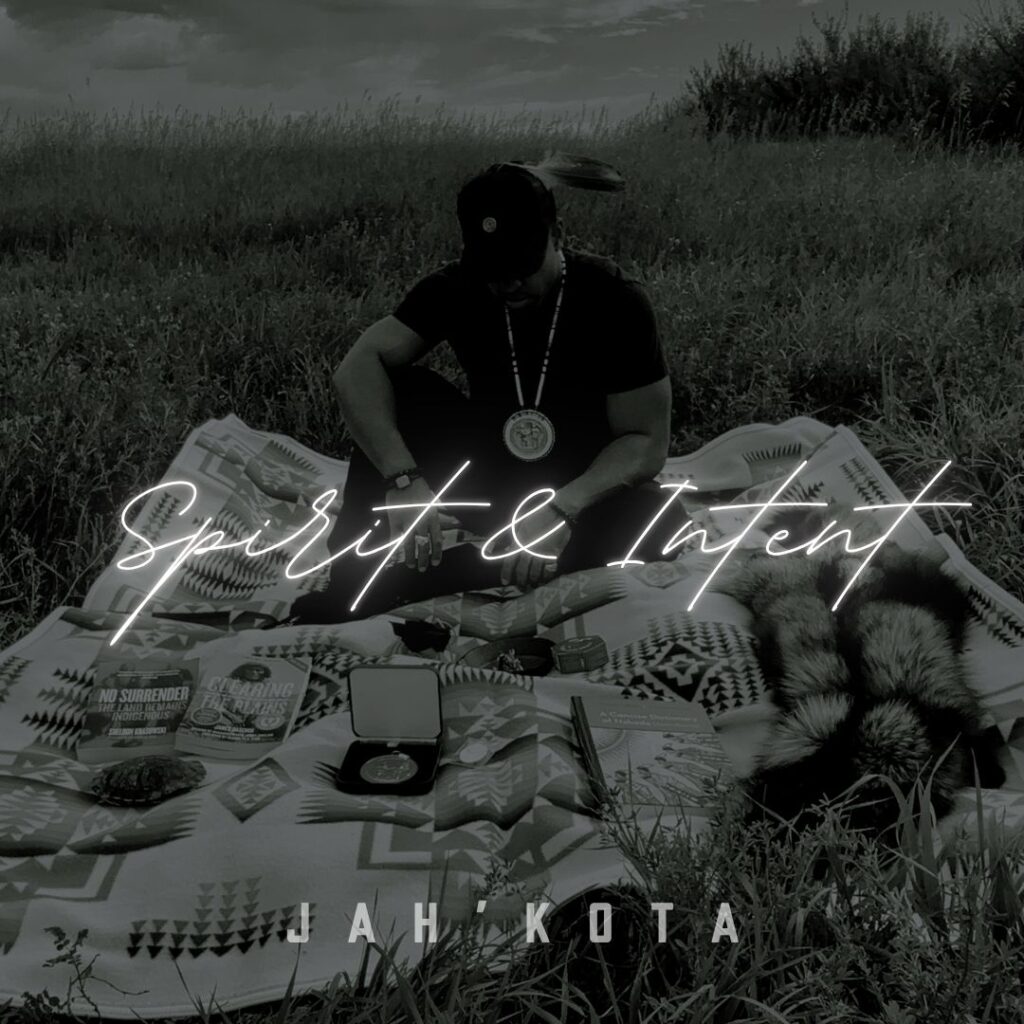
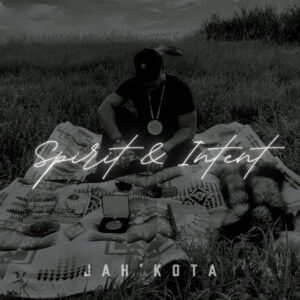 Spirit and Intent is a new song by Joh’kota released Sept. 15 that captures the significance of 150 years of Treaty.
Jah’kota, also known as Justin Holness, is a head person from Ocean Man First Nation.
As a Treaty leader and musician, his music-making also carries a message about treaty-making.
“Many of my songs I use as time capsules as an opportunity to share our story as First Nations people, but also as a productive educational resource for the broader community to know the true spirit of intent, and that we are all treaty people,” he said.
“It was important for me to make this song as a way to incorporate our truth, both the hardships, but also our resilience because as we continue to coexist within treaty territory.”
He wanted to be part of a broader education for Canadians because that is the foundation for living together and prospering with the true spirit and intent of treaty.
“I hope it encourages those who might be learning about it for the first time or hearing some of the truth I shared for the first time and they take it upon themselves to research and learn more about our treaty relationship,” he said.
Spirit and Intent is available on all streaming platforms or find @jahkotamusic on social.
Treaty 6 150 Commemoration at Fort Pitt
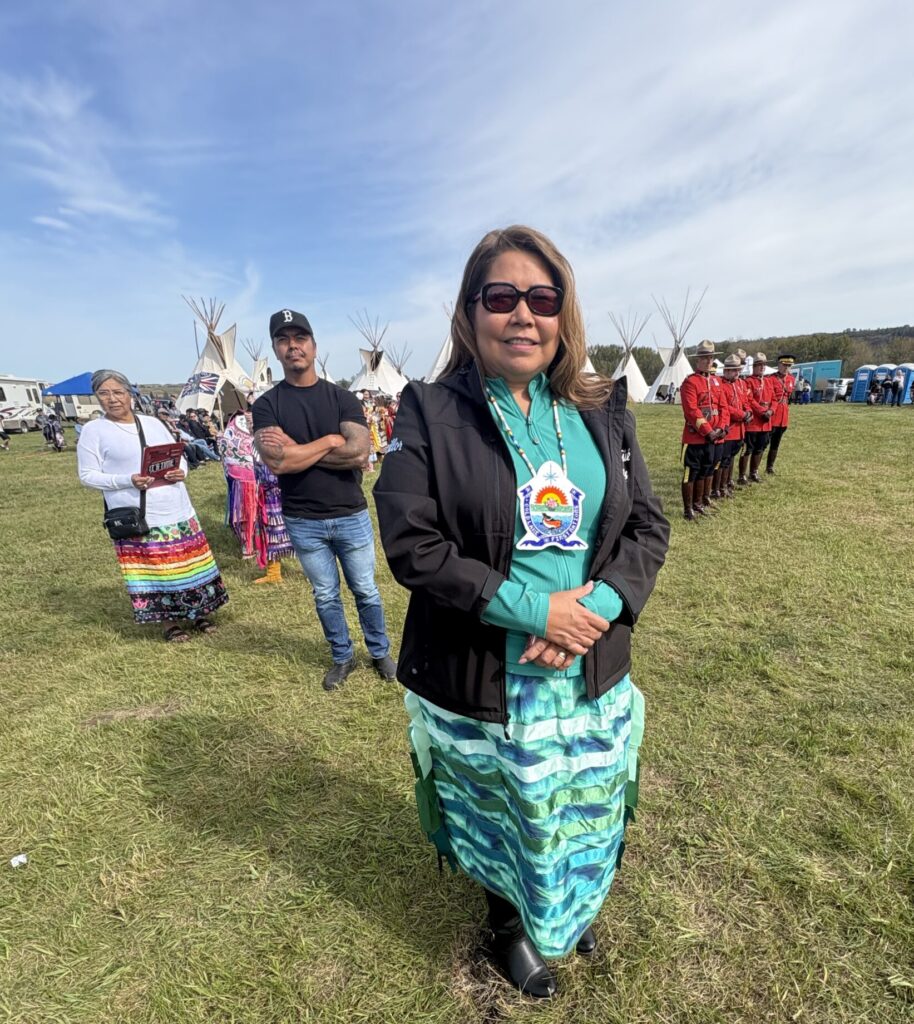
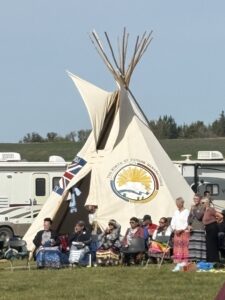
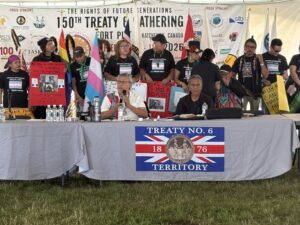
 Hosted by the Onion Lake Cree Nation, the Treaty 6 150th commemoration at Fort Pitt last week featured Elders, Knowledge Keepers, leaders, and teachings on Treaty histories, culture, health, current issues, and the responsibilities of Treaty people.
The OTC wants to highlight the role of women and Two Spirit people as leaders and knowledge keepers that was clearly supported at the event. A media event held Sept. 9, announced that Saddle Lake Cree Nation was standing up to establish a safe haven for gender-affirming medical care.
“We remind you of your duty to protect all people and not perpetuate colonial violence,” said Saddle Lake Chief Dale Steinhauer. “No longer will our children and families have their rights taken away.”
The Fort Pitt commemoration and others are an opportunity not only to remember the past, but to strengthen relationships in the present and encourage all Treaty people to understand their role in carrying the Treaty relationship forward.
The original Treaty 6 manuscript also was on site at Onion Lake, the first time the document had been at this location in 150 years.
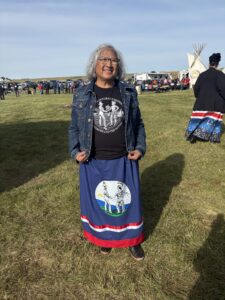
Honouring strength and resilience
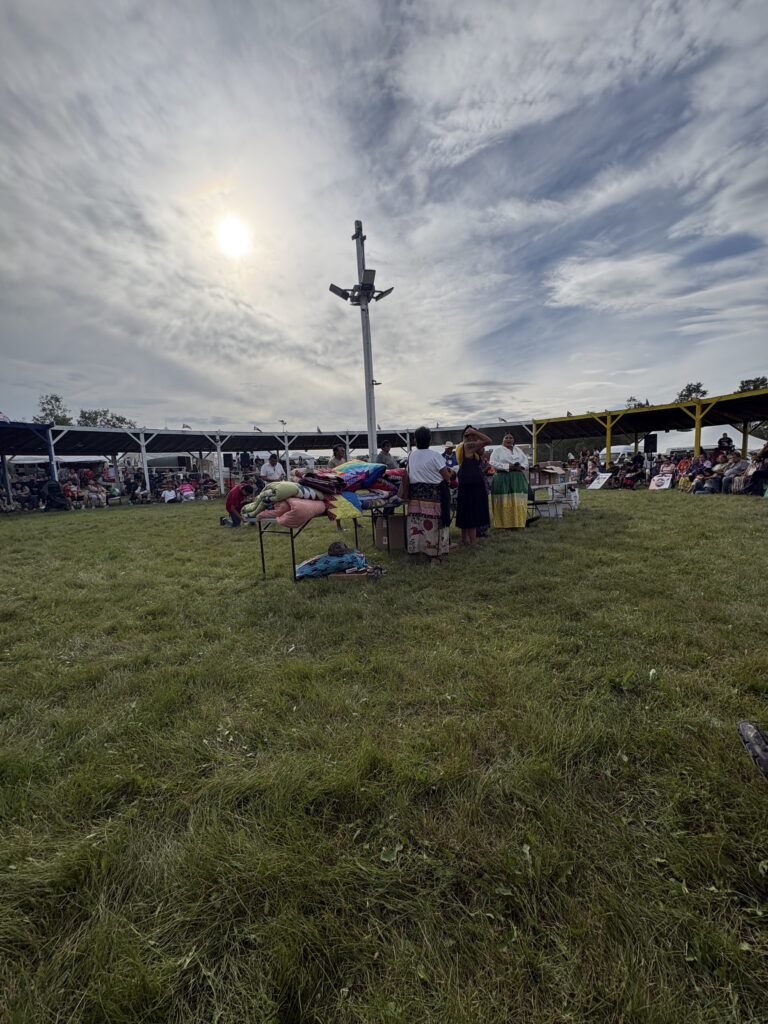
On Sept. 4, James Smith Cree Nation, Chakastaypasin Band of the Cree Nation and the Peter Chapman Band honoured and remembered the loved ones who were lost, the survivors, and their families on the 4th year anniversary of a tragic act of violence that claimed 11 lives and injured 17 others.
The ceremony recognized the strength and resilience of the nations and their citizens with families being wrapped in star blankets to surround and protect them with the strength and presence of their nations and ancestors. The family of the victim from Weldon was also honoured.
The Office of the Treaty Commissioner honours the strength and resilience of the nations and their work towards healing and prevention.
At the traditional memorial pow wow, Fawn Wood sang the song ‘Remember Me’ in touching tribute. Here are some of the words from her song:
Remember me (remember me)
When the sun comes up in the morning sky
There I will be (there I will be)
Soaring with the eagle so high
Feelin’ free
Remember me
Down the road
Hand in hand
You and me
Advancing Global Sustainable Futures
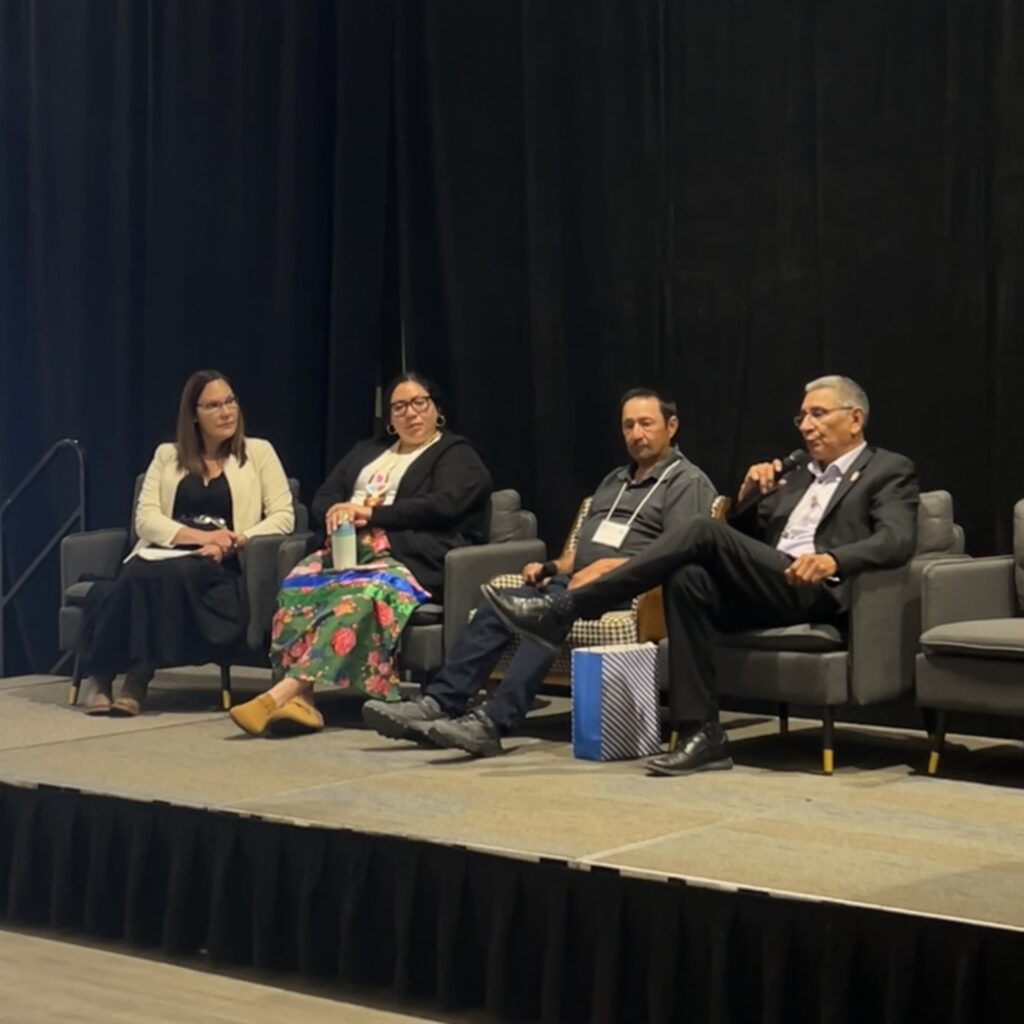
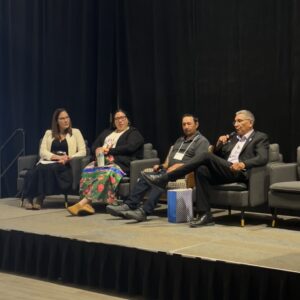 This week the Federation of Sovereign Nations’ (FSIN) Lands and Resources Secretariat hosted a two-day First Nations Summit for Advancing Global Sustainable Futures in Saskatoon to focus on what sustainable water governance looks like from First Nations perspectives.
This second annual gathering on building sustainable futures brought together First Nations leadership, Elders, Knowledge Keepers, youth, practitioners, educators, and partners from government, industry, academia, philanthropy, and the non-profit sector to strengthen relationships, and explore practical pathways towards more resilient futures.
Treaty Commissioner Dr. Kathy Walker moderated the session on First Nations Water Governance and Legal Personhood Pathways with panelists, Shanice Mollen-Picard, Muteshekau-shipu Alliance; Chief Matthew ‘Todd’ Peigan, former Chief of Pasqua First Nation and a leader in water governance; and Barry Carriere, of Cumberland House Cree Nation.
Water governance from First Nations perspectives is key to exercising inherent jurisdiction, livelihoods and a way of life grounded in the health and well-being of our water bodies.
Other discussions included First Nations water, land, habitat, and resource stewardship; food sovereignty, agriculture, soil health, and climate resilience; major projects in clean energy and emerging technologies; Inherent and Treaty rights, legal personhood, and rights-based approaches to sustainability.