
News
Statement on the passing of Chief Richard Ben
The Office of the Treaty Commissioner of Saskatchewan was shocked and saddened to hear of the death of Chief Richard Ben.
Chief Ben was a respected leader, champion of culture and tradition, and believer in strong community and good governance. He has held leadership roles since the age of 23, first as a councillor for Makwa Sahgaiehcan Cree Nation, before becoming chief. He also served as the Tribal Chief of the Meadow Lake Tribal Council. He worked to find commonalities and used those to build relationships and move work forward.
He will be missed.
We send our condolences to the Chief’s family, friends, the people of Makwa Sahgaiehcan Cree Nation, the Meadow Lake Tribal Council, and the communities he served.
Our hearts are with them during this difficult time.
OTC welcomes the new Treaty Commissioner of Saskatchewan
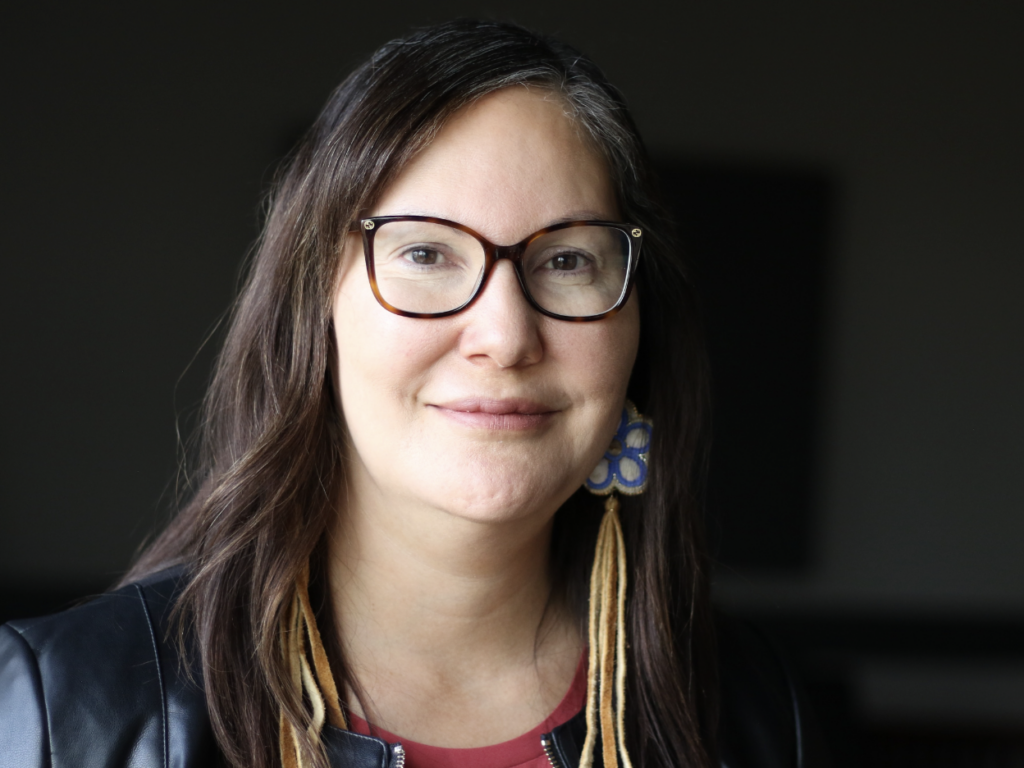
 The Office of the Treaty Commissioner welcomes the Federation of Sovereign Indigenous Nations and the Government of Canada appointment of Dr. Kathy Walker as the new Treaty Commissioner of Saskatchewan.
“We are excited to welcome the new Treaty Commissioner and look forward to her guidance and ideas as we move forward with Treaty education, continue to grow our archives ensuring the voices of Elders and Knowledge Keepers are heard, and guide others in Truth and Reconciliation through Treaty implementation,” said Angie Merasty, Executive Director of the Office of the Treaty Commissioner.
Dr. Walker started in the role Sept. 30, 2024, on the National Day for Truth and Reconciliation.
Dr. Walker is looking forward to supporting dialogue on Treaties, and looking to create greater understanding, action and implementation of the numbered Treaties in Saskatchewan.
Throughout her career, Dr. Walker has worked with Indigenous Nations and organizations in Saskatchewan and Alberta. Her research has been informed by community connections, and she is invested in program and policy development initiatives. She is nêhiyaw iskwêw with Saulteaux, Nakoda and Métis lineages and is a member of okimâw Okanese’s band, signatory to Treaty 4, where she grew up.
Dr. Walker holds a Master of Political Science, a Master of Business Administration, and PhD in Political Science. She comes to the OTC from the University of Saskatchewan where she was an assistant professor in political studies.
Dr. Walker is the sixth Treaty Commissioner of Saskatchewan, and the second woman to hold the role.
National Day for Truth and Reconciliation
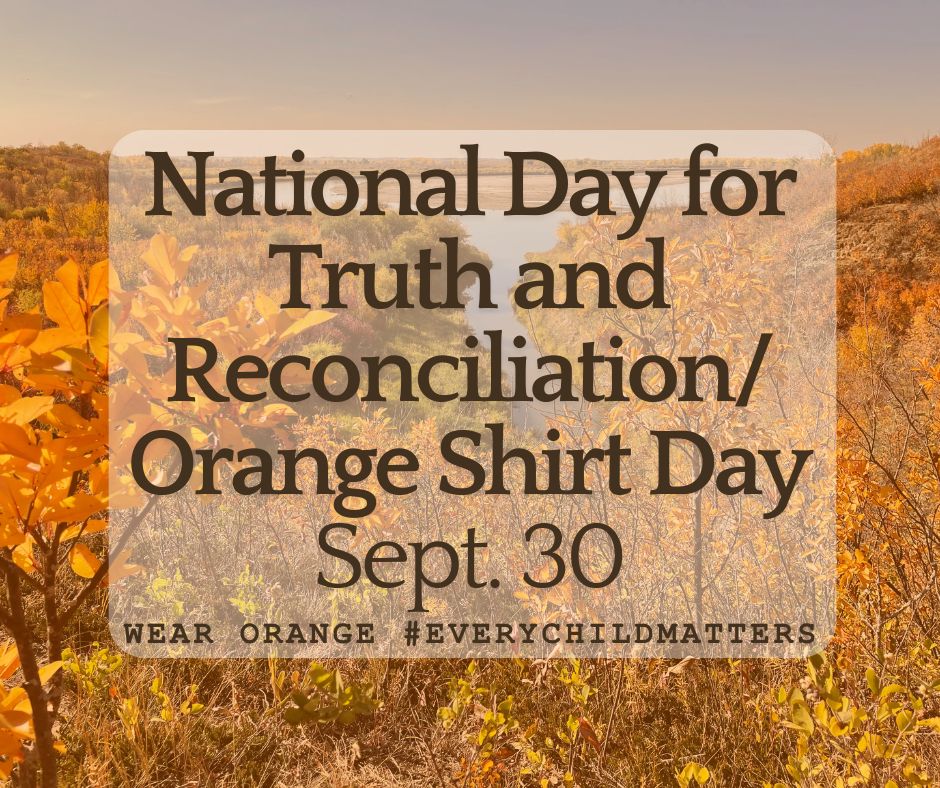
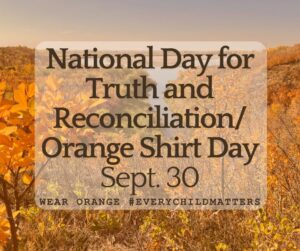 The National Day for Truth and Reconciliation/Orange Shirt Day on Sept 30 is the opportunity to recognize and commemorate the tragic history and ongoing legacy of residential schools, while honouring the survivors, their families and communities. The day was established in response to the Truth and Reconciliation Commission of Canada’s Calls to Action.
From the 1880s until 1996 when the last school closed, 150,000 First Nation and Inuit children were removed from their communities and forced to attend residential schools across Canada.
Commemorating Orange Shirt Day as a way to honour residential school survivors began after an event held in Williams Lake, BC, in 2013. It started with the words of Phyllis (Jack) Webstad, a survivor who had her new orange shirt taken away on her first day of school. The movement has grown and become a time to raise awareness of the devastating impact of the residential school system on Indigenous people and their descendants.
“Orange Shirt Day is a very important and special day. It is the National Day of Truth and Reconciliation. It is a chance for everyone to learn about the Residential Schools, remember all the children who never made it home and honour the survivors that did,” said OTC executive director Angie Merasty.
“My hope is that every single Canadian takes a moment to listen, to learn and to share what they have learned with others. Acknowledge the shared history, acknowledge that you cannot have reconciliation without the truth and lets all make sure that it doesn’t ever happen again.”
A national Indian Residential School Crisis Line was created to support for former students and those affected. Residential school survivors and their families can access emotional and crisis referral services by calling the 24-hour crisis line: 1-866-925-4419.
What can you do leading up to and on Sept. 30 — the National Day for Truth and Reconciliation/ Orange Shirt Day?
Spend some time reflecting and recommitting to your personal reconciliation journey
Read the history of Orange Shirt Day
Register for events and learning opportunities hosted by the National Centre for Truth and Reconciliation
Buy an orange shirt, ensuring you are supporting Indigenous artists and Residential School Survivors.
Attend a community event. Visit the OTC event calendar
Watch this 2020 video created by OTC featuring messages from Elders William Morin and Shirley Wolfe Keller, and Speakers Bureau members Lyndon Linklater, Chante Spiiedel, and Joely BigEagle-Kequahtooway.
OTC at the Treaty 4 Gathering
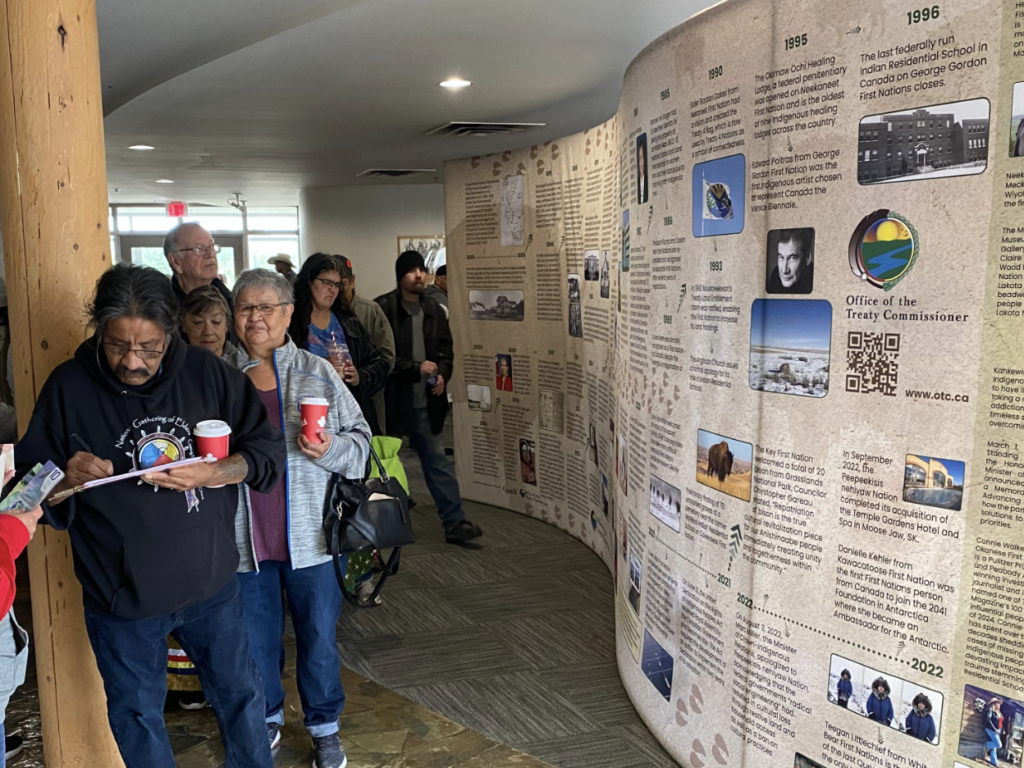
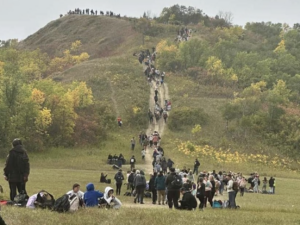
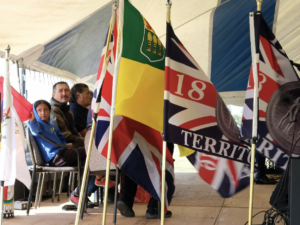
 The Office of the Treaty Commissioner was honoured to attend the 150-year commemoration event of Treaty 4 and the week long activities leading up to September 15.
From Tuesday to Thursday, the OTC Treaty Education team facilitated programming with thousands of students, from across Treaty 4, including participants from as far away as Manitoba. Using the Treaty 4 Timeline created specifically for this event, the OTC ran jeopardy-style games to engage the youth in learning. There was also Treaty Education using the Treaty 4 replica medals.
“It was amazing. It was awesome. You instantly felt the significance of what we were there for,” said Charmaine Gardiner, the OTC’s Treaty Learning Network Coordinator.
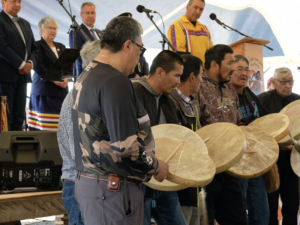
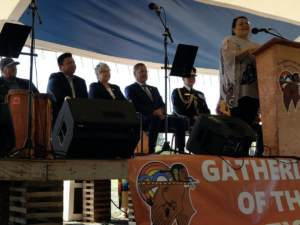
On Sunday, the team participated in the official commemoration as Treaty 4 Chiefs reflected on the challenging past 150 years, and shared their visions for the future.
“It was amazing to be part of history,” said Elaine Sutherland, the OTC Director of Treaty Education.
Federal government representatives, RCMP members, and Saskatchewan Premier Scott Moe were also in attendance.
“There were many tough speeches that reminded all the government officials that were there from the province and the feds, about the spirit and intent of Treaty, this was not exactly a celebration, you heard the Chiefs and the Elders reminding everybody whose land this is and they (Gov and RCMP) had a lot more work to do,” OTC executive director, Angie Merasty, said.
“I guess what was celebrated was the fact that as First Nations People – we are still here.”
In addition to the large Treaty 4 Timeline display, the OTC worked in partnership with File Hills Qu’Appelle Tribal Council to create and set up the Treaty 4 historical trail. This trail led people on a short walk through key milestones of Treaty 4 history. Also, at the Treaty 4 Gathering the OTC shared the trailer for the documentary Voices of Treaty 4, directed by Benji Noon and produced by Joni Brass with support from Heritage Canada. This trailer was premiered at the OTC Elders Gathering on Sept. 12.
New Treaty Signs Unveiled in Saskatchewan
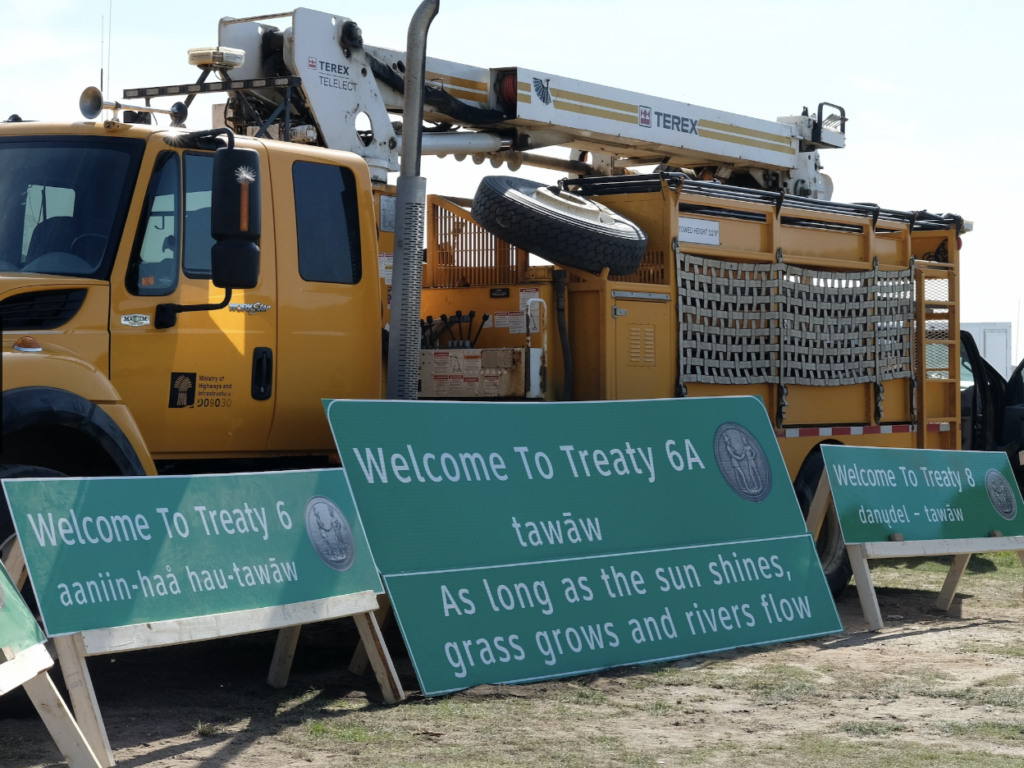
 Today, Saskatchewan’s Lieutenant Governor, the provincial government and the Office of the Treaty Commissioner unveiled additional new signs that, once installed, will mean every Treaty is acknowledged with an official highway sign in the province.
“It started with one pair of signs and now across Saskatchewan, people will be able to see when they are crossing a Treaty boundary,” Office of the Treaty Commissioner of Saskatchewan Executive Director Angie Merasty said.
“We are so pleased to have had the support of our Elders Treaty kihtehayah Atnedhe Council to ensure we are honouring Treaty from north to south. We hope that drivers on these highways use these reminders to further their own reconciliation journey.”
The four pairs of signs will be put up in the future along:
Highway 2 north of Prince Albert to mark the Treaty 6 / Treaty 6A Boundary.
Highway 102 / 905 southeast of Southend to mark the Treaty 6A / Treaty 10 Boundary.
Highway 55 east of Nipawin to mark the Treaty 5 / Treaty 6 Boundary.
Highway 955 north of La Loche to mark the Treaty 8 / Treaty 10 Boundary.
These signs will join others already along provincial highways.
Treaty Learning Journey at Star Blanket Cree Nation
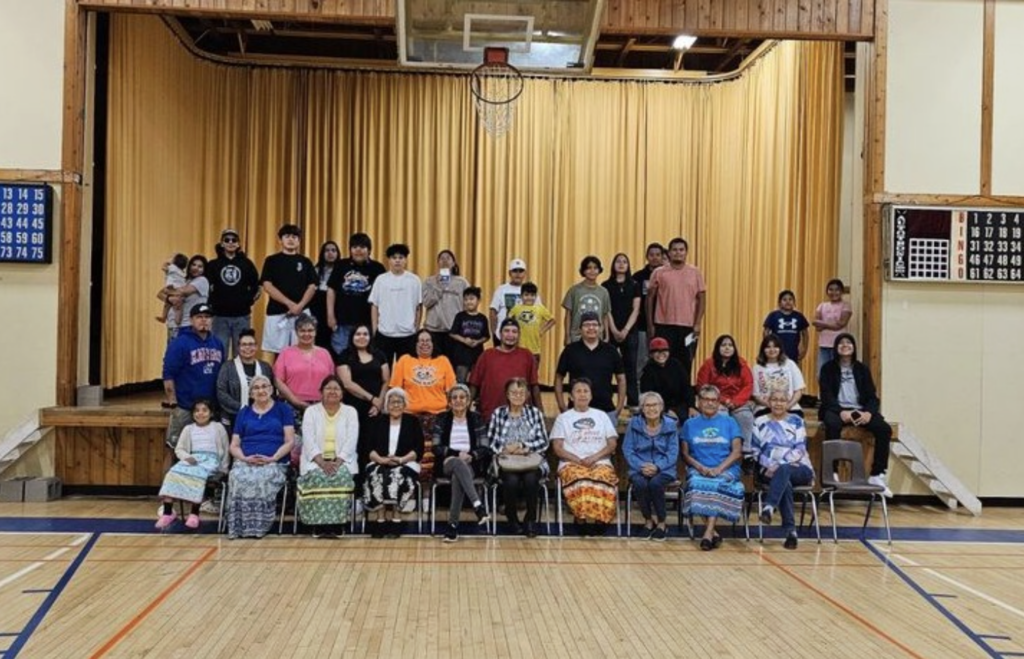
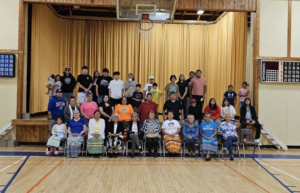 The Office of the Treaty Commission was pleased to be able to host a Treaty Learning Journey: Let’s Talk Truth at Star Blanket Cree Nation on July 30 and 31.
It was held in the old Lebret Residential School gym and brought together the community — kihtehayak and youth. Bringing them together was important for the community, to learn together and to ensure the next generation has information on Treaties.
The OTC team was thrilled to learn that the community is using the training as a starting point to continue to bring the two groups together to continue to share and pass knowledge down.
There were children as young as six, teens, and there were two entire familes who attended.
“It was really wonderful to work with with the people from Star Blanket First Nation,” said Elaine Sutherland, the OTC director of Treaty Education. “We’ve heard that they want this training to be an inspiration for other communities to follow – bringing everyone together to learn and share knowledge.”
Congratulations to the 2024 Graduates!

 Congratulations to all 2024 graduates on your achievements.
Your hard work, determination, and resilience have brought you to this milestone, marking the culmination of years of dedication and perseverance.
Your education is a powerful tool that can pave the way for positive change in your communities and beyond. Whether you are pursuing further studies, beginning work, or exploring new opportunities, your perspectives and experiences will enrich society.
As you reflect on your success, take pride in how far you have come and look forward with excitement and determination.
The Office of the Treaty Commissioner extends our heartfelt congratulations and best wishes for your continued success in the future. Well done!
National Indigenous Peoples Day
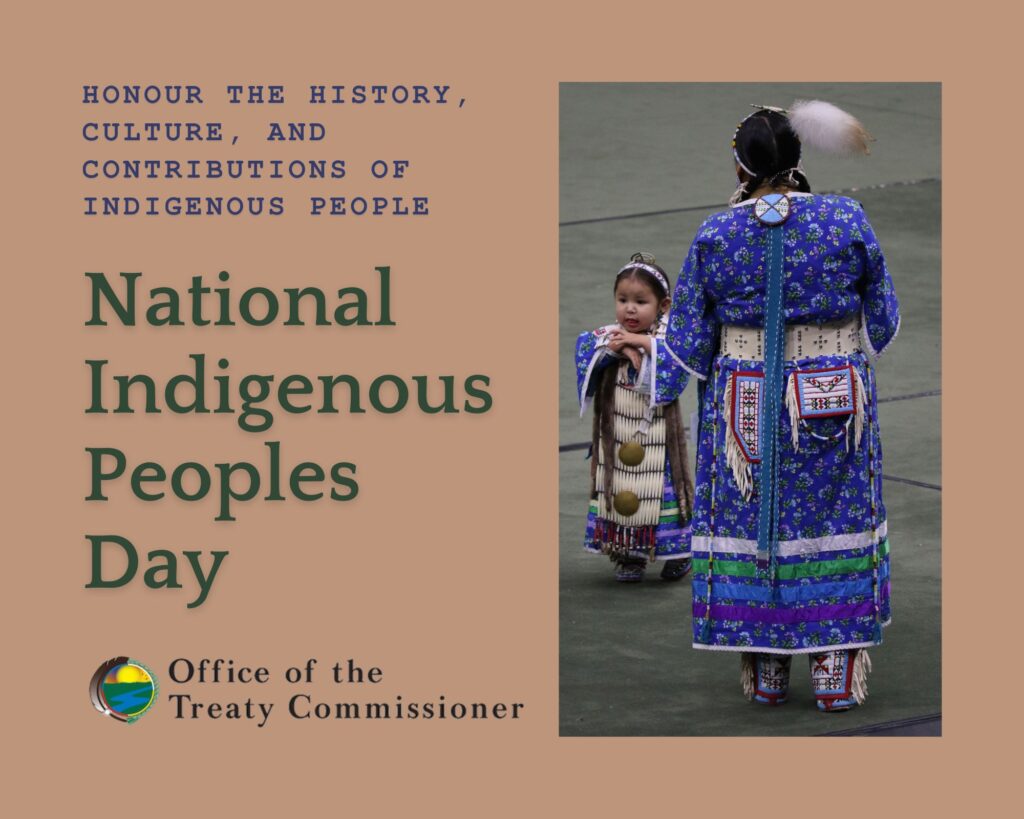
For generations, many Indigenous communities have celebrated their culture on the summer solstice, June 21. National Indigenous Peoples Day supports this tradition.
On this National Indigenous Peoples Day, the Office of the Treaty Commissioner encourages people to listen, learn, show up, and engage with Indigenous cultures across Turtle Island.
It is the perfect day to start (or continue) a reconciliation journey, by furthering your knowledge of the true history of Indigenous people in Canada, their culture and continued contributions. The best way to do this is hearing First Nations, Métis, and Inuit voices. Read a book, watch a film, or listen to music created by Indigenous people.
Since the last National Indigenous Peoples Day, the OTC has seen the continued and increasing interest from the public in engaging more fully in the Treaty relationship. The OTC speakers’ bureau works hard to keep up with the growing demand.
More and more organizations are going through the facilitated process with the OTC to use the Truth and Reconciliation through Treaty Implementation (TRTI) Growth Model to map efforts and create specific recommendations for action on reconciliation.
These success stories are magnified by more government, businesses, First Nations, and community groups making long-standing strategic relationships with the OTC, our Elders and knowledge keepers, and truly looking to learn and grow what they know. The OTC is pleased to be able to support Indigenous and non-Indigenous communities with the information they need.
National Indigenous Peoples Day is a day to celebrate successes, embrace resilience, and commit to protecting Indigenous languages, cultures, and heritage in the years to come.
OTC celebrates Pride Month
June is a time for honouring the diversity in our communities as we celebrate Indigenous History Month and Pride Month.
The Office of the Treaty Commissioner loves to see the beauty and kindness that is celebrated this month. It is important to recognize the intersections of these movements and uplift the communities of Indigenous 2SLGBTQ+ people.
The Two-Spirit identity has long been part of Indigenous culture and history. The term Two-Spirit is a modern phrase used to describe a person with both masculine and feminine spirits. They are able to see life through the eyes of both genders and often hold important roles in their communities.
The OTC encourages people to learn more about Two-Spirit identities. By being an ally and learning more we increase our understanding of gender diversity and challenge societal norms.
We need to come together as a community, Indigenous and non-Indigenous, to create an environment of love, respect, and inclusivity, where everyone feels seen, heard, and valued.
Celebrating both Indigenous History Month and Pride means we stand together against hatred, challenge discrimination, and stop prejudice and intolerance.
How can you get involved?
- Uplift Indigenous and 2SLGBTQ+ voices by supporting Indigenous 2SLGBTQ+ projects/platforms
- Donate to Indigenous-owned organizations
- Donate to organizations that support resources for 2SLGBTQ+ youth
- Celebrate Indigenous and 2SLGBTQ+ voices every month, not just in June
- Learn and share what you learn
Here are some resources to get you started
Read:
The history of two spirit folks
Two-Spirit activists, community leaders and content creators
A Place in the circle: Understanding and Support Two-Spirit People
Out Saskatoon’s Allies and Solidarity
Watch:
What does Two Spirit mean?
Trans And Native: Meet The Indigenous Doctor Giving Them Hope
National Indigenous History Month
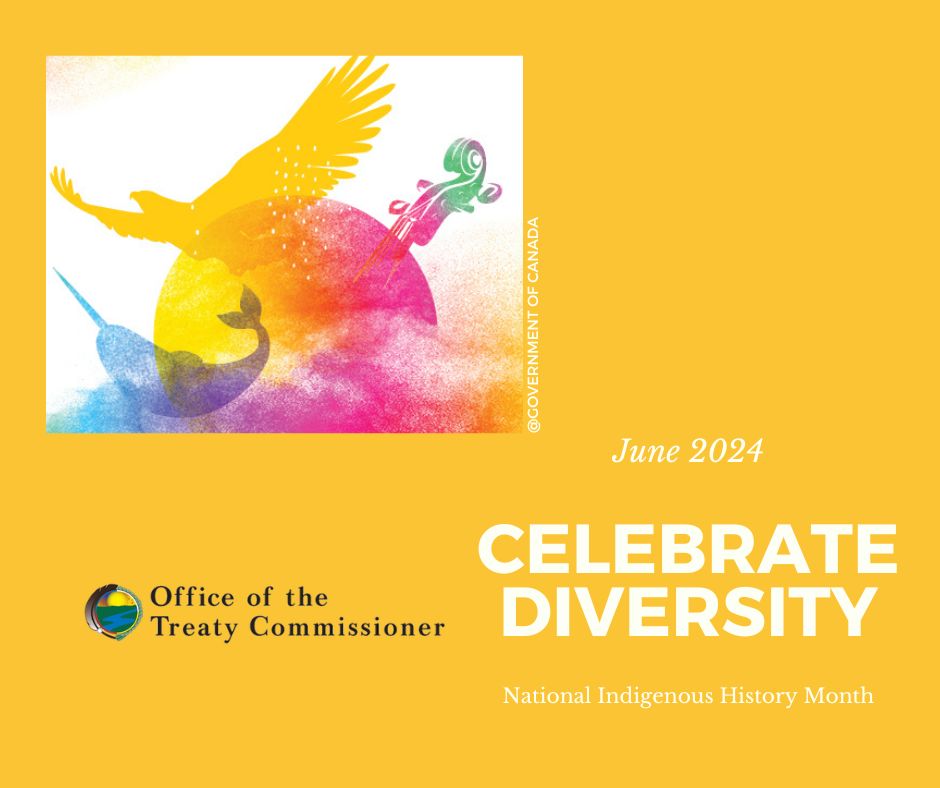
 June is National Indigenous History month, an opportunity to learn and celebrate the cultures, traditions, and histories of First Nations, Inuit, and Métis peoples in Canada.
Designated by the House of Commons in 2009, National Indigenous History month creates space to honour the stories, achievements, and resilience of Indigenous Peoples. Indigenous people have lived on this land since time immemorial and Indigenous contributions continue to shape Canada today.
For 2024 the Government of Canada is highlighting themes and specific aspects of Indigenous history, cultures and perspectives:
June 1 to 9: Environment, traditional knowledge and territory
June 10 to 16: Children and youth
June 17 to 23: Languages, cultures and arts
June 24 to 30: Women, girls and 2SLGBTQI+ people
The Office of the Treaty Commissioner encourages people to use National Indigenous History month to start (or continue) their reconciliation journey by furthering their knowledge. The best way to do this is hearing First Nations, Inuit, and Métis voices.
Read a book, watch a film, or listen to music created by Indigenous people.
Don’t know where to start? Try these
Office of the Treaty Commissioner Resource Page and Recommended Reads
Be A ConnectR (a project by Reconciliation Saskatoon)
2024 National Indigenous History Month: A thematic Learning Series (from the Halifax Public Libraries)
National Indigenous History Month In Canada (Government of Canada)
TRC Final report and Calls to Action (National Centre for Truth and Reconciliation Commission)
Reclaiming Power and Place and additional publications (National Inquiry on Missing and Murdered Indigenous Women and Girls)
While on your learning journey, please take care of your mental health. These resources contain topics that may be distressing to some readers. If you need help, please note there are Indigenous mental health services available.
The National Indian Residential School Crisis Line provides 24-hour crisis support to former Indian Residential School students and their families toll-free at 1-866-925-4419.
Individuals impacted by the issue of Missing and Murdered Indigenous Women and Girls can contact the MMIWG Crisis Line toll-free at 1-844-413-6649.
First Nations, Inuit and Métis seeking immediate emotional support can contact the Hope for Wellness Help Line toll-free at 1-855-242-3310, or by online chat at hopeforwellness.ca.