
News
OTC calls for cultural competency training in schools
 The Treaty Commissioner of Saskatchewan was hurt and angered to hear of a young Indigenous girl feeling discriminated against and excluded from her school’s formal wear day, when she chose to wear a piece of her Indigenous ancestry and put on a ribbon skirt.
“I wore a ribbon skirt to the swearing in of our Lieutenant Governor and I wore a ribbon skirt to meet the Governor General, because that is my formal wear,” said Mary Culbertson, Treaty Commissioner of Saskatchewan.
Throughout the year the Office of the Treaty Commissioner reaches out to school divisions to offer the Teaching Treaties in the Classroom curriculum as well as other public education and cultural trainings. In eastern Saskatchewan we’ve worked with Key, Keeseekoose, Ochapawace, Cote First Nations and the Yorkton Tribal Council and have seen partnerships form with other schools. The OTC wants to see conversations on Treaty, resilience, culture, and identity, expand and deepen.
We are renewing the call for schools in Kamsack and the surrounding area to engage with the OTC and grow cultural competency within the education system. All staff, not just teachers, but everyone from custodians to bus drivers, nutrition staff and board members, should be participating to make the school system a safe place to be for all children.
“I look forward to working together as a provincial community to reach a place where Indigenous people do not have to be afraid of discrimination and look forward to wearing clothing that celebrates resilience, culture, and identity,” Culbertson said.
OTC joins Saskatoon sleigh ride
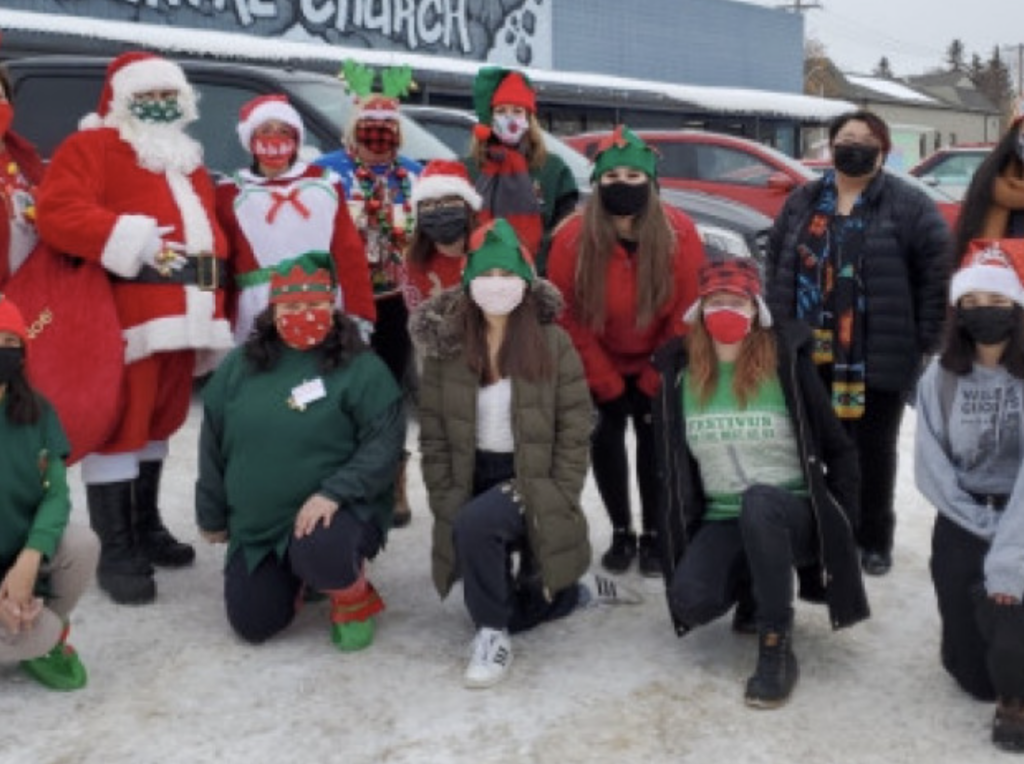
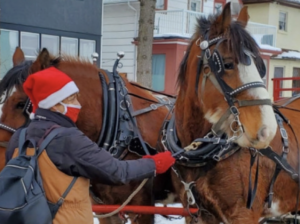
 After such a difficult year, the Office of the Treaty Commissioner is excited to join forces with SIGA and dedicated community volunteers to bring Christmas cheer to youth in Saskatoon.
On Dec. 17, OTC staff members joined a parade that took Santa and elves past Pleasant Hill Community School, St. Mary’s School, King George School, and Princess Alexandra Community School.
Santa and his elves also delivered some gifts, stockings and candy at some of the schools.
“The OTC is grateful to be able to assist with this wonderful event for the children of the four schools,” said Angela Merasty, Director of Operations for the OTC. ommunity School, St. Mary’s School, King George School, and Princess Alexandra Community School.
OTC supports Reconciliation Saskatoon event
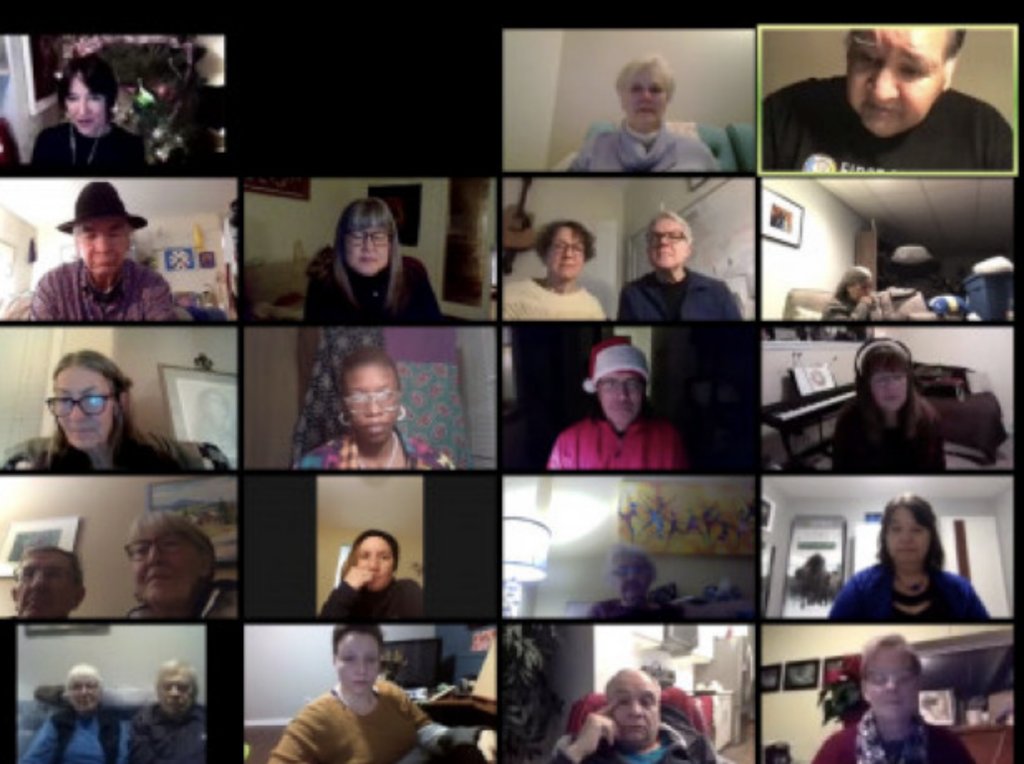
 The Office of the Treaty Commissioner was excited to support An Evening of Story and Song.
On Wednesday evening, people from across Canada, Treaty 4 and 6, gathered around their computers to listen to songs from The North Sound, and stories from OTC Speakers Bureau members, Joseph Naytowhow and Peace Akintade. Elder Gilbert Kewistep opened and closed the evening.
The event was hosted by Reconciliation Saskatoon and was designed to bring people together in a safe way during COVID-19.
“We wanted to bring people together for lightness and Love and community and throw the doors open to the world,” said Carrie Catherine, who hosted the online evening on behalf or Reconciliation Saskatoon.
About 80 people attended the event, many with their families, to hear the words and songs being shared.
Peepeekisis Cree Nation ratifies land claim
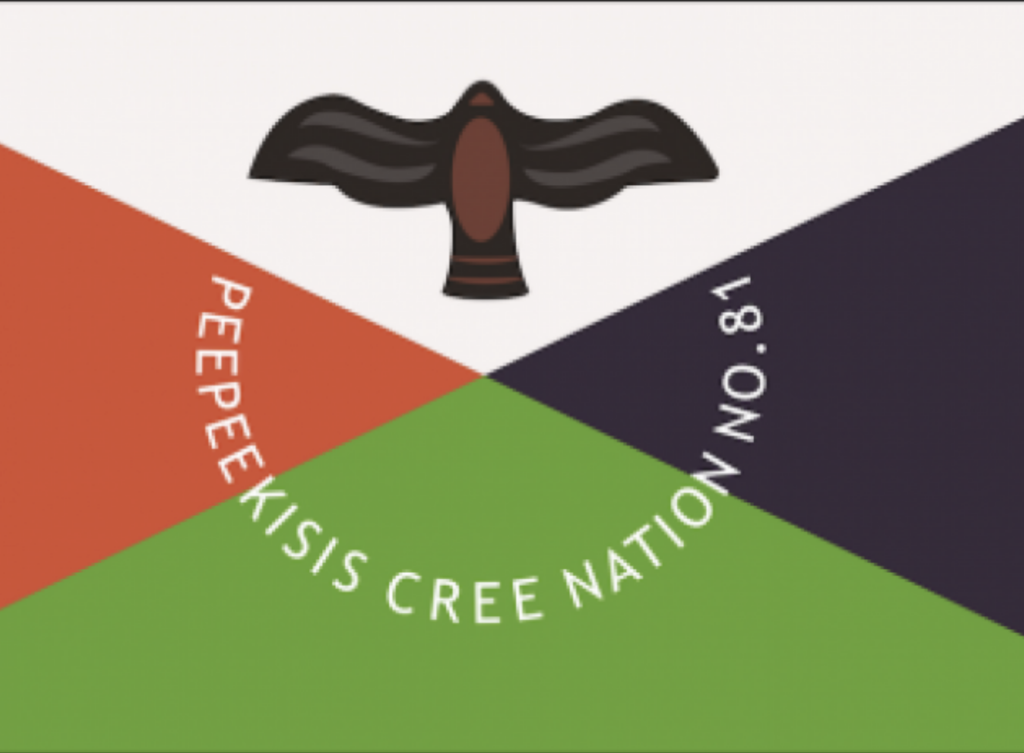
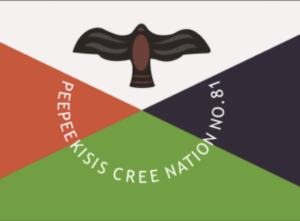 The Office of the Treaty Commissioner celebrates with Peepeekisis Cree Nation as they ratify a land claim that has been in the works for more than 35 years.
A claim first filed in 1986 by former Chief Enock Poitras was looking for compensation for the mismanagement of reserve lands by Canada. This claim was subject to 16 years of missed commitments by the Government of Canada, over which time the Peepeekisis Cree Nation lost many of elders and, with the passing of each elder, there was more difficulty in marshaling its case.
In 2004, the Indian Claims Commission accepted the Peepeekisis and recommended that the Government of Canada negotiate a settlement. Another 16 years later, the Canadian Government agreed to a settlement of $150 million dollars to redress violating the rights of Peepeekisis First Nation’s Chief and Council, and surrendering over two-thirds of their reserved lands.
The community voted and ratified the claim on Dec. 11.
Ten years after the signing of Treaty Four in 1874, the Peepeekisis community settled on 26,624 acres adjacent to Okanese, Starblanket and Little Black Bear First Nations. Chief Peepeekisis died in 1889 and the Department of Indian Affairs refused to accept his son as chief and prevented the Peepeekisis First Nation from holding an election.
The Peepeekisis First Nation was without a chief until 1935, which allowed William M. Graham, who was the Indian Agent at the Qu’Appelle Agency, to create the File Hills farming colony on Peepeekisis lands.
In 1901 Graham received funds from the Department of Indian Affairs to create the colony and by 1906 he had removed 18,850 acres from the Peepeekisis Reserve.
This land was divided into 80 acre lots for graduates of the File Hills Boarding School and the Qu’Appelle Industrial School. Graham feared that when the graduates of these schools returned to their home reserves, they return to their traditional culture. So, he selected graduates to settle on lands in the colony, where they would be supported in farming.
Initially the File Hills Colony was deemed a success by the Department of Indian Affairs. By 1906 there were twenty families living in the colony, and over the next few years the colony quickly outnumbered the original Peepeekisis band members.
Graham maintained a tyrannical grip on the lives of the colonists. They were forbidden to interact with any Peepeekisis community members who adhered to their traditional culture, and participation in dances, ceremonies and even speaking Cree was banned.
Eventually the File Hills Colony disintegrated, and all the homes and barns have been destroyed or burned down and in 1927 Graham was forced to retire.
The violations to the rights of the Peepeekisis First Nation by the creation of File Hills Colony became the basis for the Specific Claim put before the Indian Claims Commission (ICC) in 1986.
Read More:
File Hills Colony: A Failed Experiment
Sask. First Nation votes to accept $150M settlement from the Government of Canada
OTC enters partnership with Saskatchewan Polytechnic
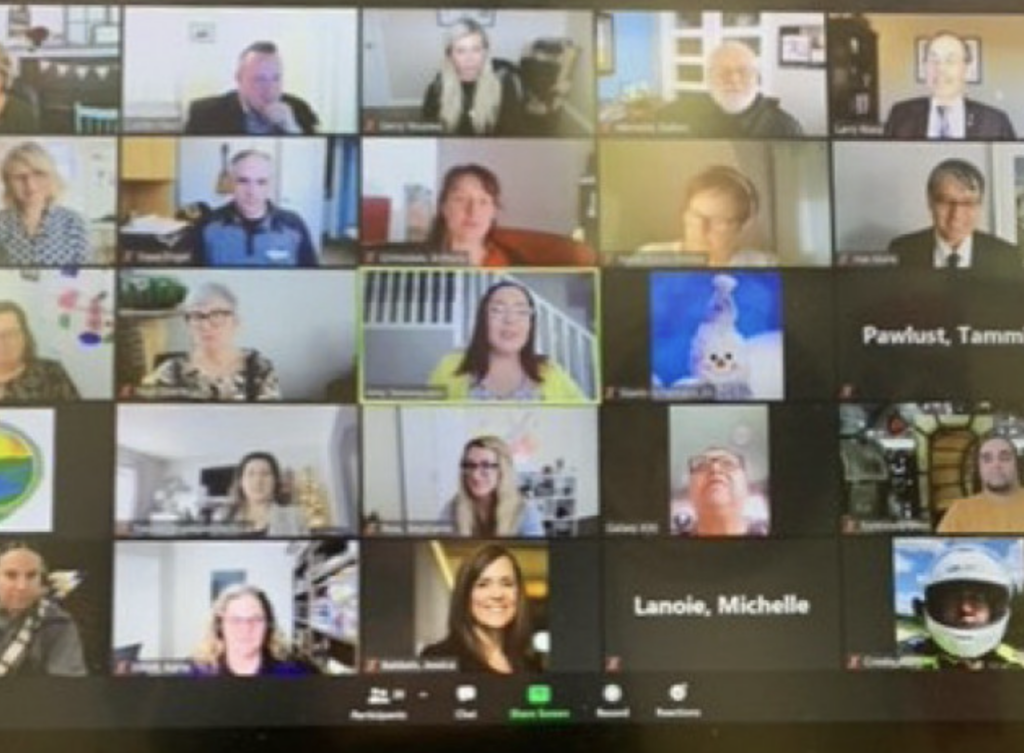
 The Office of the Treaty Commissioner is excited to celebrate a new partnership with Saskatchewan Polytechnic. On Tuesday, Dec. 1, the OTC signed a strategic alliance with the college to further relationships and foster Indigenous inclusive learning environments.
Elder Shirley Wolfe Keller opened the event with a prayer, and speakers bureau member Aaron Tootoosis provided an honor song.
The event took place virtually to protect everyone from COVID-19.
The organizations have come together to work on providing Treaty Education and Indigenous Awareness on all Saskatchewan Polytechnic campuses across the province.
“We are pleased to be entering into a partnership with Saskatchewan Polytechnic, to help foster and support an Indigenous inclusive learning environment. Treaty promises have not been fully realized, and we know to get there we have to work to decolonize systems. Working with partners we are able to promote Treaty identity, awareness, and understandings and help us move towards the goal of Truth and Reconciliation through Treaty Implementation,” said Mary Culbertson, Treaty Commissioner of Saskatchewan.
The Office of the Treaty Commissioner recognizes the value and importance of this academic institution in developing the strengths and skills of our province’s past, current and future leaders in various sectors. Through this historic partnership, based on the Treaty principles of honor, respect and mutual benefit, the OTC hopes to broaden the knowledge base for all students and staff on Treaties.
“We will work together to promote Treaty identity and create an awareness and understanding of our Indigenous Treaty partners,” said Amy Seesequasis, the OTC Director of Public Education.
“This partnership is one I am very proud of and excited to see unfold.”
The OTC strives to achieve Treaty implementation through an understanding of Treaties, the Treaty relationship, and Indigenous Treaty partners by way of our various information sessions facilitated by our Public Education department. Our goal is to honour the Treaty relationship in the spirit of peace and friendship and commitment to ongoing reciprocal relations.
Statement from the Office of the Treaty Commissioner on the passing of Elder Mike Maurice
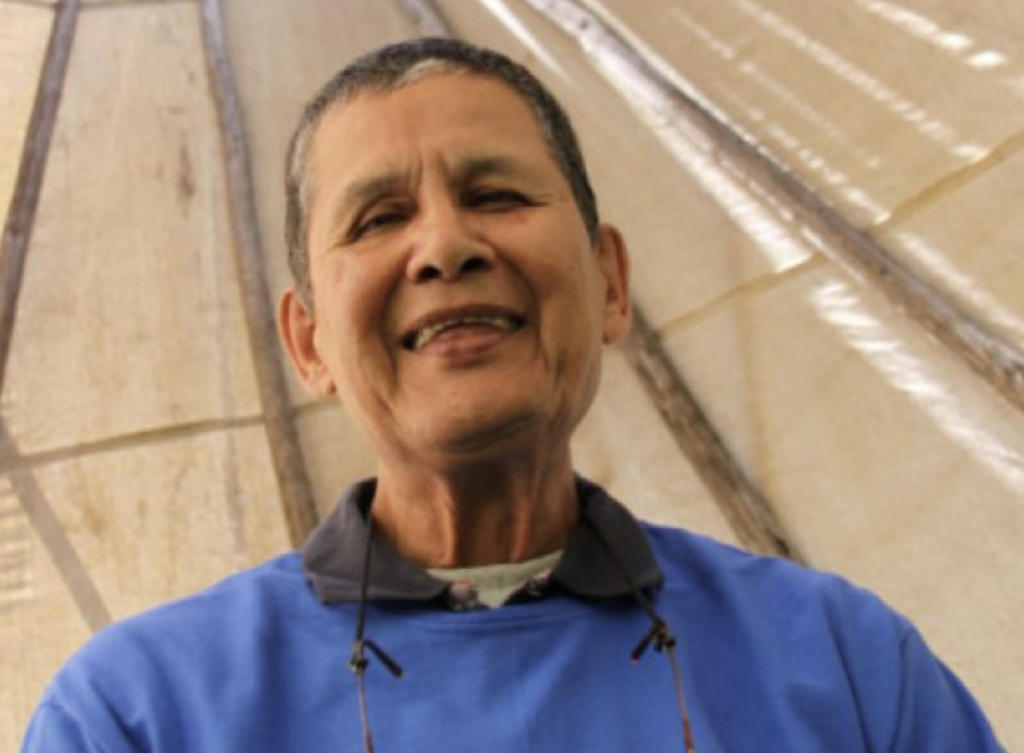
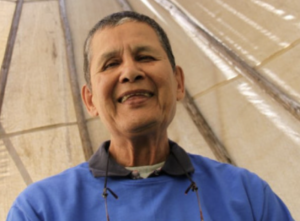 The Office of the Treaty Commissioner is sad to share the news of the loss of Métis Nation – Saskatchewan Senator Elder Mike Maurice. We send our condolences to his family, friends and communities he served.
Senator Maurice worked on behalf of Métis people, supporting community organizations, schools and the Michif language. He is remembered as a kind man with time for a handshake hug, and smile for everyone. He was willing to give guidance to anyone who asked and was known for his compassion and storytelling.
He will be missed.
Statement from the Office of the Treaty Commissioner on the passing of Fred Sasakamoose
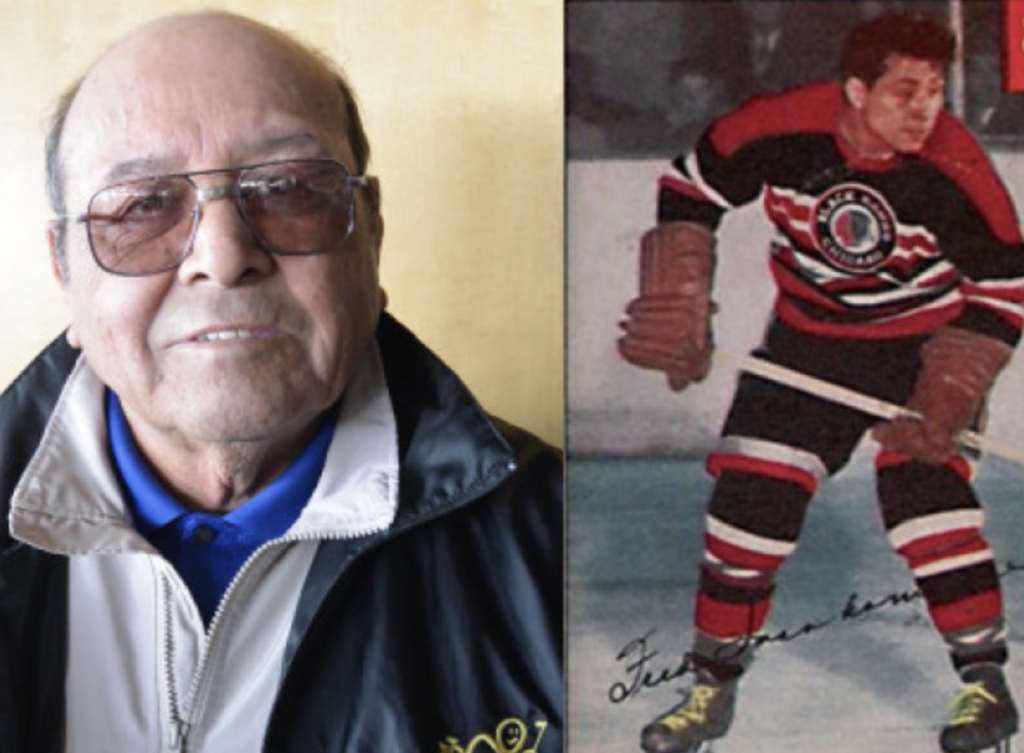
 The Office of the Treaty Commissioner is saddened by the news of the death of Fred Sasakamoose. We send our condolences to his family, friends, colleagues and the people of Ahtahkakoop and Big River First Nations.
Sasakamoose was a community leader, chief and band council member for 30 years at Ahtahkakoop Cree Nation, a strong residential school survivor, and a trailblazer for Indigenous hockey players.
“He was a hero from Treaty 6. Before we could vote, before we could become lawyers and doctors he was breaking glass ceilings, unknowingly paving the ways for those of us who might not have thought we could reach those places! Rest easy Fast Freddy,” said Treaty Commissioner Mary Culbertson in a post online.
He was one of the first Indigenous hockey players to play for the NHL as a centre for the Chicago Blackhawks in 1954. He played 11 games before returning to serve his communities, including using sports to provide opportunities for Indigenous youth.
Sasakamoose was admitted to hospital for treatment for COVID-19 last week. In a video, his son Neil Sasakamoose asked people to stay safe, to listen to officials, and take measures to stay healthy. He also offered some words about his father.
“He believed in his culture, his language, his people, he believed in us getting along with non-native people, races around the world. He believed in a lot of good qualities of what we should be striving for,” he said.
New agreement supports reconciliation and Treaty education at USask
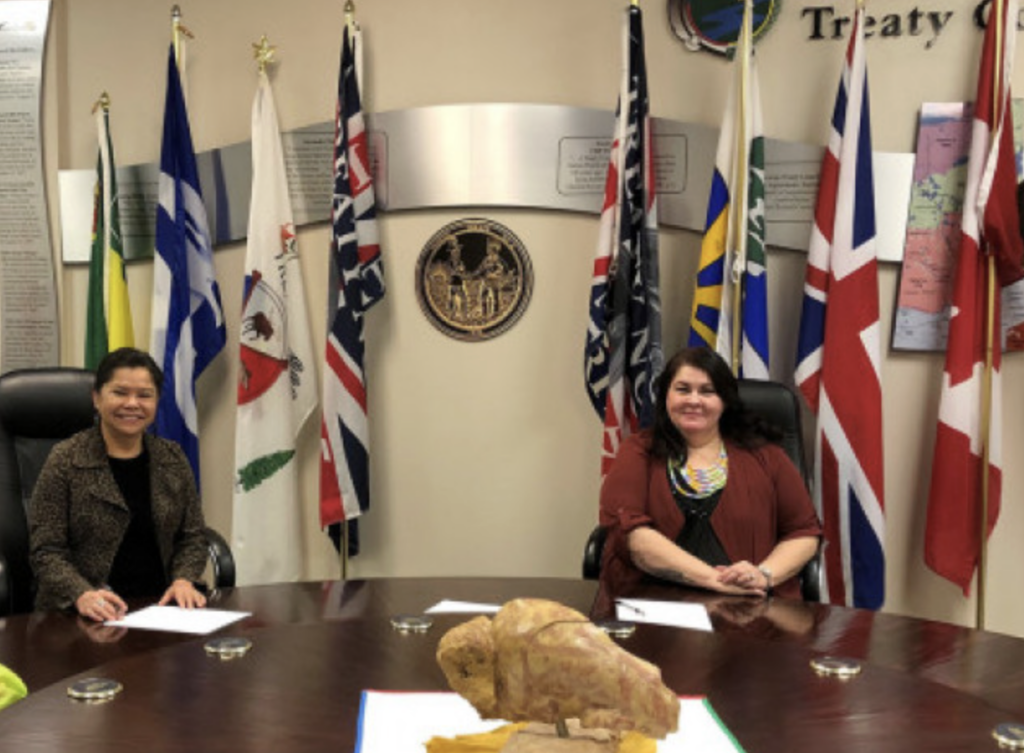
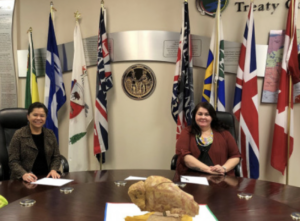 The University of Saskatchewan (USask) through the Office of the Vice-Provost of Indigenous Engagement (OVPIE) and the Office of the Treaty Commissioner (OTC) signed a Memorandum of Understanding (MOU) today to ensure that more Indigenous students graduate through increased work in Treaty education implementation and reconciliation at the university.
Part of the goal of the MOU will be the creation of an evaluation tool that will be used and measured for progress throughout USask.
“Both organizations will initially be focusing on the development of an action plan that will support reconciliation evaluation at the university, while building relationships between the USask community and the OTC team,” said Jacqueline Ottmann, vice-provost of Indigenous Engagement at USask.
According to Ottmann, evaluating the institution will help create measurable paths to follow towards meaningful, respectful and reciprocal reconciliation.
Additionally, the MOU outlines intentions to work together to increase accessibility for Indigenous people to post-secondary education, increase the post-secondary participation rate at decision-making circles, and increase the student success and completion rates.
The agreement also includes a commitment to promote Treaty education implementation, the Truth and Reconciliation Commission’s Calls to Action, the Calls to Justice of the National Inquiry into Missing and Murdered Indigenous Women and Girls, and the United Nations Declaration on the Rights of Indigenous Peoples.
“The Treaty promises our ancestors entered into have yet to be realized and is no easy task. We know that we have to create a path to the decolonization of systems. The Office of the Treaty Commissioner wishes to walk along with the university to push forward on decolonization to fulfill the Treaty relationship. We can move forward on this path to where systems of accountability can bring about authentic change ensuring the spirit and intent of Treaty in all areas of the university. OTC’s vision of Reconciliation through Treaty Implementation, evaluation and mapping framework is a good place to start,” said Mary Culbertson, J.D., Treaty Commissioner, Office of the Treaty Commissioner.
Youth Cultural Exchange
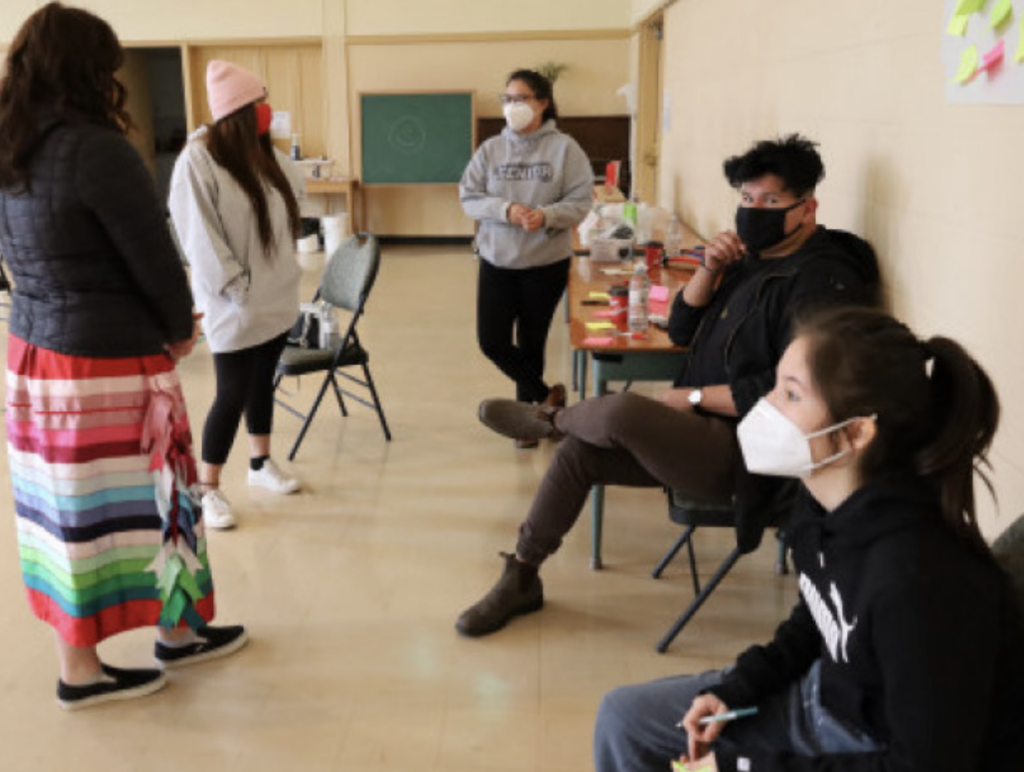
 Youth from the Office of the Treaty Commissioner and newcomer youth from the Saskatoon Open Door Society, came together on Oct. 17 to learn more about each other, breakdown cultural stereotypes, and bust myths.
The youth from Canada, China, Somalia, Egypt, India, and Pakistan, got to ask real questions and understand each other’s histories and stories.
Indigenous youth talked about intergenerational trauma and the impact of residential schools, Orange Shirt Day, negative treatment by government, and Treaty Rights. They busted myths about the idea that Indigenous people don’t pay taxes, or that communities are dangerous.
Newcomer youth talked about leaving home, and the experience of coming to Canada. Muslim youth answered questions about Ramadan, and talked about the difference between religion and culture. They busted myths about being distant from the modern world.
The youth want to continue this learning and work together and proposed more activities to follow up in the future. The cultural exchange followed COVID-19 safety protocols, keeping socially distant and wearing masks.
OTC attends Interpretive Storyboard Launch
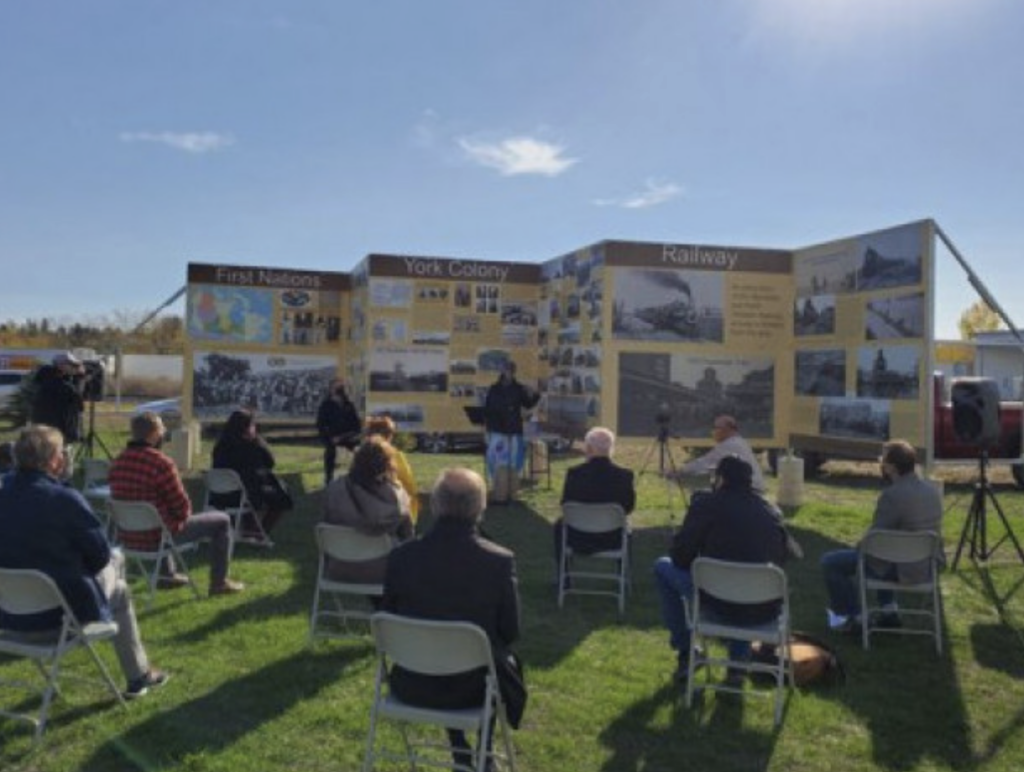
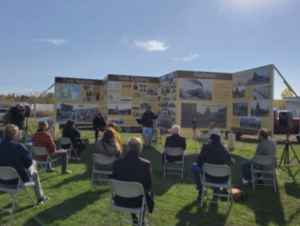 The Treaty Commissioner of Saskatchewan was in Yorkton on Oct. 8 to celebrate the unveiling of the storyboard history of Yorkton and the Brick Mill at the Mill site.
Four themes comprised of eight large outdoor mounted panels have been installed on site, covering the history of Yorkton, from First Nations, through the founding of York Colony and the original mill north of the city, to the arrival of the railway and construction of the current mill.
“Treaty promises became broken promises and fractured relations soon ensued, the vision our ancestors had when they entered into Treaty soon was lost. The dedication and work in this display is a clear indication that those relations are being repaired, we aren’t there yet but this is an important part of that journey,” said Treaty Commissioner Mary Culbertson during the event.
Vern Brown is the president of the Yorkton Brick Flour Mill Committee. He said the preservation of the site combined with the panels are a tribute to the community of Yorkton.
“This is a significant milestone in our committees work to celebrate both the history of the mill and the City of Yorkton,” he said.
Yorkton Tribal Council Chief Isabel O’Soup also spoke at the event.
“The Yorkton Tribal Council is pleased to support this project. We are very excited to be recognized for our integral role in the history of our community through the Storyboard History unveiled here,” she said.