News
New agreement supports reconciliation and Treaty education at USask
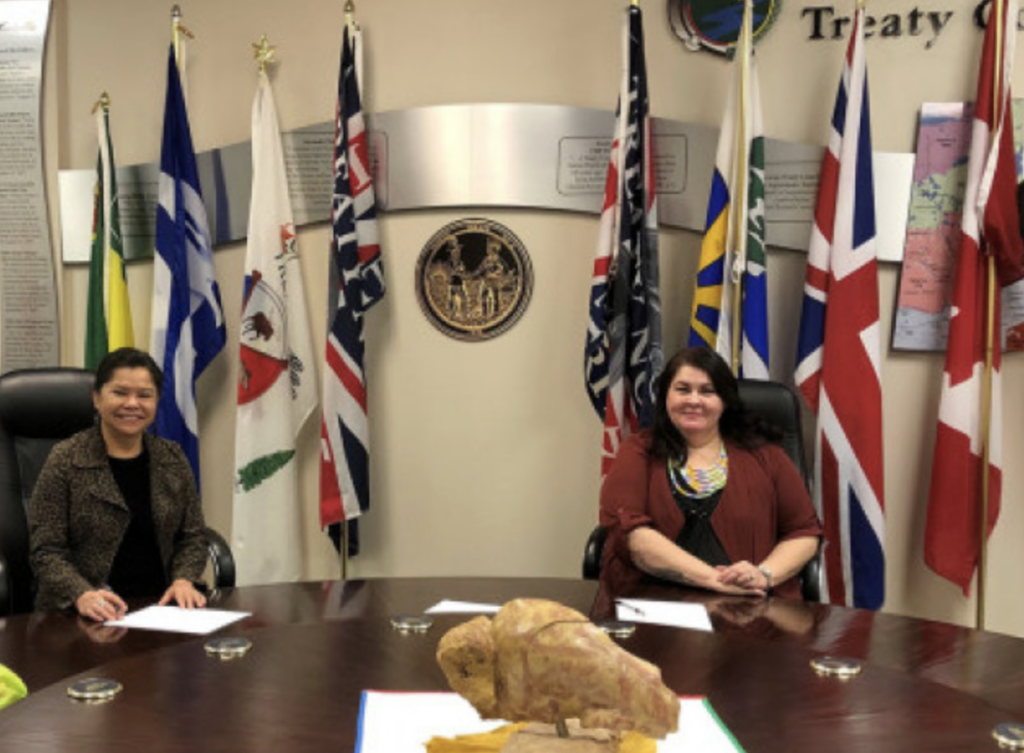
 The University of Saskatchewan (USask) through the Office of the Vice-Provost of Indigenous Engagement (OVPIE) and the Office of the Treaty Commissioner (OTC) signed a Memorandum of Understanding (MOU) today to ensure that more Indigenous students graduate through increased work in Treaty education implementation and reconciliation at the university.
Part of the goal of the MOU will be the creation of an evaluation tool that will be used and measured for progress throughout USask.
“Both organizations will initially be focusing on the development of an action plan that will support reconciliation evaluation at the university, while building relationships between the USask community and the OTC team,” said Jacqueline Ottmann, vice-provost of Indigenous Engagement at USask.
According to Ottmann, evaluating the institution will help create measurable paths to follow towards meaningful, respectful and reciprocal reconciliation.
Additionally, the MOU outlines intentions to work together to increase accessibility for Indigenous people to post-secondary education, increase the post-secondary participation rate at decision-making circles, and increase the student success and completion rates.
The agreement also includes a commitment to promote Treaty education implementation, the Truth and Reconciliation Commission’s Calls to Action, the Calls to Justice of the National Inquiry into Missing and Murdered Indigenous Women and Girls, and the United Nations Declaration on the Rights of Indigenous Peoples.
“The Treaty promises our ancestors entered into have yet to be realized and is no easy task. We know that we have to create a path to the decolonization of systems. The Office of the Treaty Commissioner wishes to walk along with the university to push forward on decolonization to fulfill the Treaty relationship. We can move forward on this path to where systems of accountability can bring about authentic change ensuring the spirit and intent of Treaty in all areas of the university. OTC’s vision of Reconciliation through Treaty Implementation, evaluation and mapping framework is a good place to start,” said Mary Culbertson, J.D., Treaty Commissioner, Office of the Treaty Commissioner.
Youth Cultural Exchange
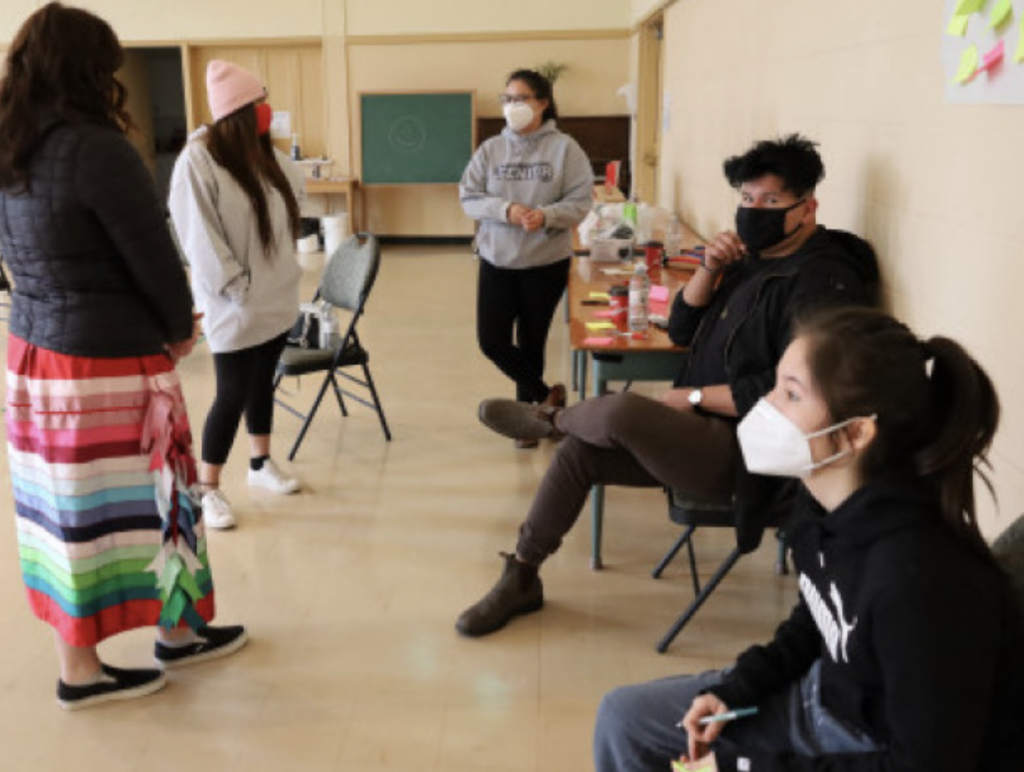
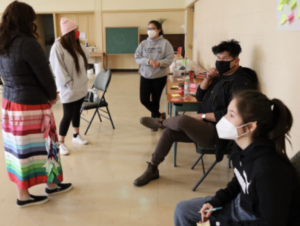 Youth from the Office of the Treaty Commissioner and newcomer youth from the Saskatoon Open Door Society, came together on Oct. 17 to learn more about each other, breakdown cultural stereotypes, and bust myths.
The youth from Canada, China, Somalia, Egypt, India, and Pakistan, got to ask real questions and understand each other’s histories and stories.
Indigenous youth talked about intergenerational trauma and the impact of residential schools, Orange Shirt Day, negative treatment by government, and Treaty Rights. They busted myths about the idea that Indigenous people don’t pay taxes, or that communities are dangerous.
Newcomer youth talked about leaving home, and the experience of coming to Canada. Muslim youth answered questions about Ramadan, and talked about the difference between religion and culture. They busted myths about being distant from the modern world.
The youth want to continue this learning and work together and proposed more activities to follow up in the future. The cultural exchange followed COVID-19 safety protocols, keeping socially distant and wearing masks.
OTC attends Interpretive Storyboard Launch
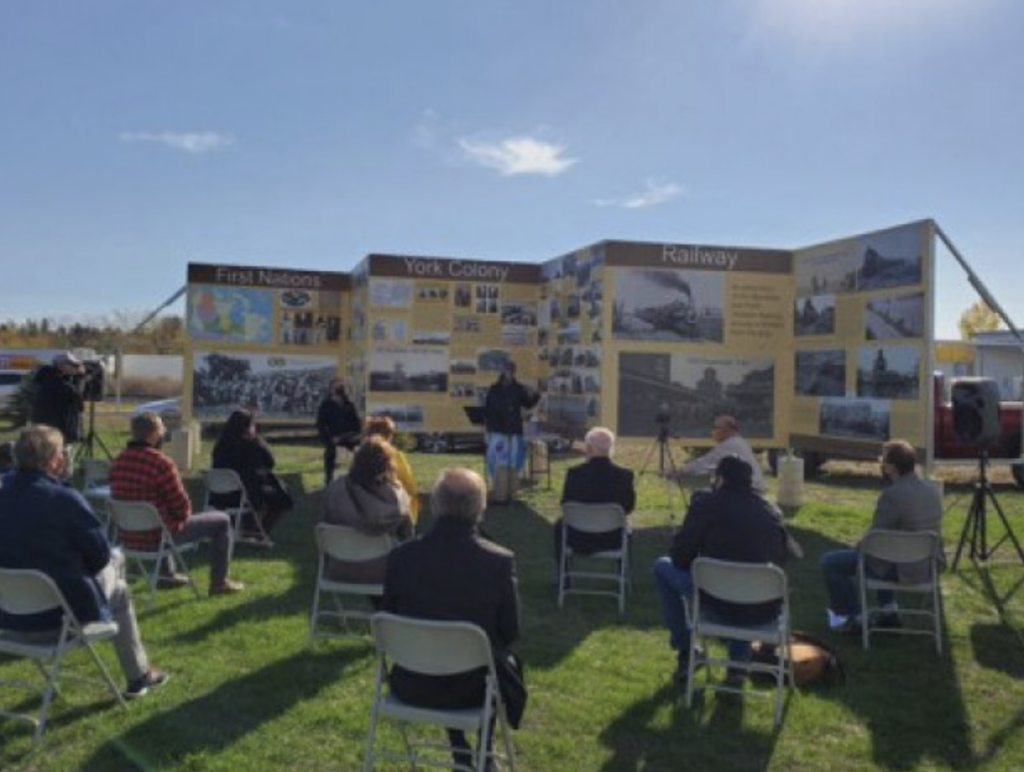
 The Treaty Commissioner of Saskatchewan was in Yorkton on Oct. 8 to celebrate the unveiling of the storyboard history of Yorkton and the Brick Mill at the Mill site.
Four themes comprised of eight large outdoor mounted panels have been installed on site, covering the history of Yorkton, from First Nations, through the founding of York Colony and the original mill north of the city, to the arrival of the railway and construction of the current mill.
“Treaty promises became broken promises and fractured relations soon ensued, the vision our ancestors had when they entered into Treaty soon was lost. The dedication and work in this display is a clear indication that those relations are being repaired, we aren’t there yet but this is an important part of that journey,” said Treaty Commissioner Mary Culbertson during the event.
Vern Brown is the president of the Yorkton Brick Flour Mill Committee. He said the preservation of the site combined with the panels are a tribute to the community of Yorkton.
“This is a significant milestone in our committees work to celebrate both the history of the mill and the City of Yorkton,” he said.
Yorkton Tribal Council Chief Isabel O’Soup also spoke at the event.
“The Yorkton Tribal Council is pleased to support this project. We are very excited to be recognized for our integral role in the history of our community through the Storyboard History unveiled here,” she said.
OTC marks Orange Shirt Day
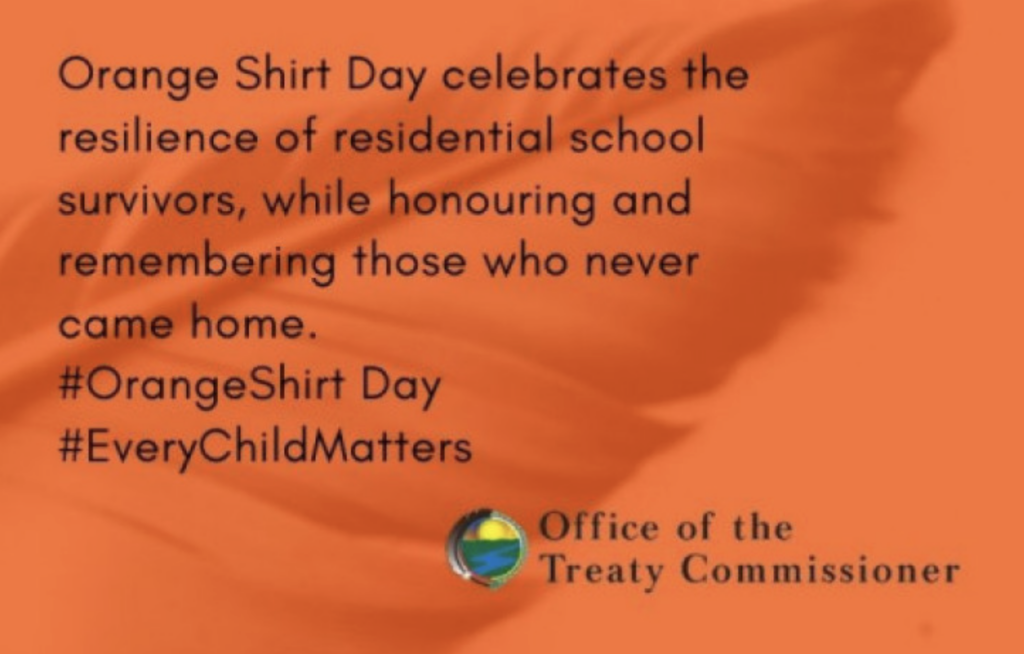
 Every year at the end of September, we remember the ongoing impact of residential schools through Orange Shirt Day.
Orange Shirt Day is the legacy of the St. Joseph Mission (SJM) residential school commemoration event held in Williams Lake, BC, in the spring of 2013. At this event, Phyllis Webstad shared her story of residential school, she recalled having her new orange shirt taken away on her first day at the school. This story has become a way to raise awareness of the devastating impact of the residential school system on Indigenous people and their descendants.
The date was chosen because it is the time of year in which children were taken from their homes to residential schools, and because it is an opportunity to set the stage for anti-racism and anti-bullying policies for the coming school year.
The Office of the Treaty Commissioner celebrates the movement, which is growing and bringing all people, Indigenous and non-Indigenous, together.
“Orange Shirt Day celebrates resilience. It honours the children who survived residential schools, and those who never made it home,” said Mary Culbertson, Treaty Commissioner of Saskatchewan.
“It is important that we continue to mark Orange Shirt Day, and recognize the value of every child, because Every Child Matters.”
The Office of the Treaty Commissioner asks that people wear an orange shirt on Sept. 30 to show their support.
The OTC is grateful to share Orange Shirt Day messages from Elders William Morin and Shirley Wolfe Keller, OTC youth Chante Spiiedel, and Speakers Bureau members Lyndon Linklater and Joely BigEagle-Kequahtooway.
OTC celebrates the repatriation of the Treaty medal to Beardy’s and Okemasis’ Cree Nation
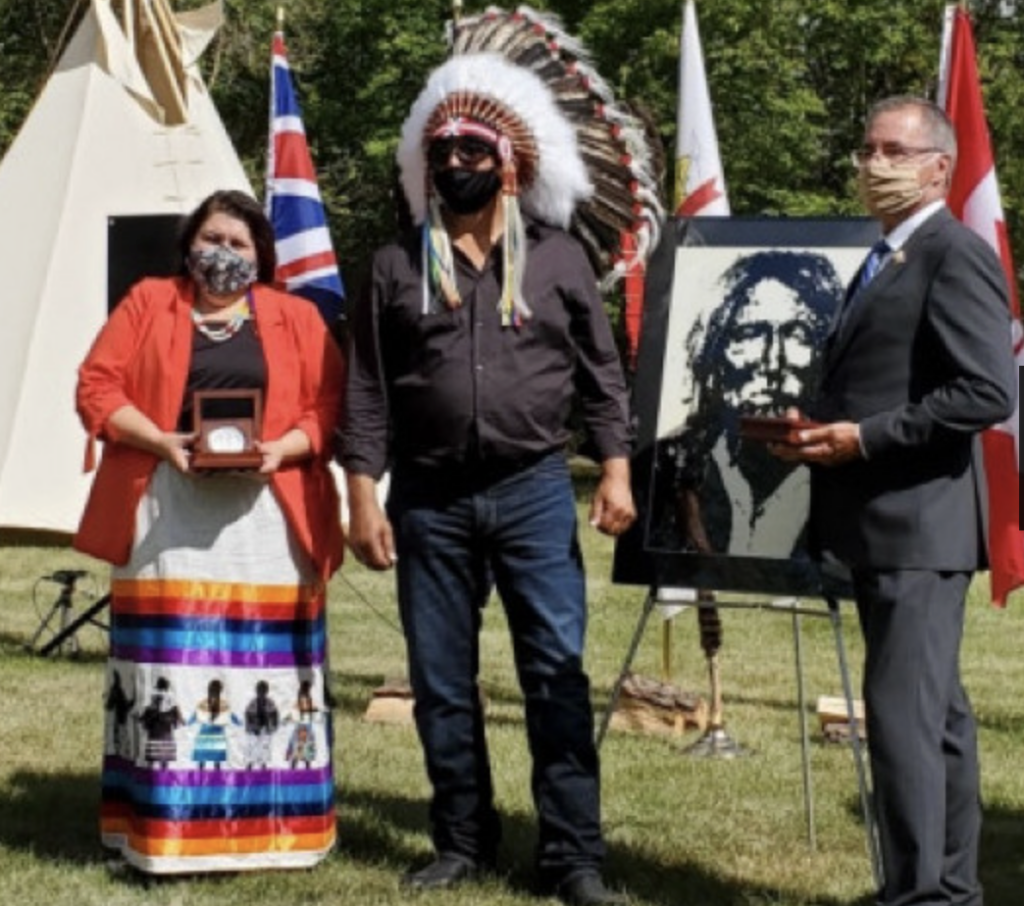
 The Office of the Treaty Commissioner of Saskatchewan is thrilled to celebrate alongside Beardy’s and Okemasis’ Cree Nation as Treaty 6 medals were presented to the community today.
“It was so important to be there today to see a Treaty medal returned home. These medals we presented today are opening the door towards reconciliation, and another small step towards seeing full Treaty implementation,” said Mary Culbertson, Treaty Commissioner of Saskatchewan.
Culbertson, and the Lieutenant Governor, the Honourable Russ Mirasty, presented the Treaty 6 medals at a ceremony at Chief Beardy’s Campsite, near St. Anne de Carlton, this afternoon.
The Treaty medals were taken from the communities in 1885 by Canada’s military commander at the time, Frederick Middleton, who accused the chiefs of violence, and threatened to burn the reserves if they didn’t comply. To ensure the survival of their people and protect them from harm the chiefs handed over the medals. The Cree Nations were labelled rebellion bands by the Canadian government and treaty annuity payments were discontinued for years.
In 2001 Beardy’s and Okemasis’ Cree Nation argued that the Canadian government over-stated Cree participation in the resistance to eliminate the tribal governance system. On May 6, 2015 the Specific Claims Tribunal agreed that the Beardy’s and Okemasis’ Cree Nation was not disloyal, and the Crown breached its lawful obligations by stopping the payments. The Government of Canada was required to pay $4.5 million to the Cree Nation, but the medals were not returned.
“Today’s ceremony giving back Treaty medals is a step towards righting the historical wrongs. Having a shared understanding Canada’s history, knowing these stories, is a vital part of the journey of reconciliation,” Culbertson said.
The Treaty 6 medals given to Beardy’s and Okemasis’ Cree Nation are re-orders of the original Treaty medals commissioned by the Crown in 1872. The medals are 72 mm in diameter, weigh about 312 grams and made of solid silver.
Learning from Saskatchewan’s first Indigenous Lieutenant Governor
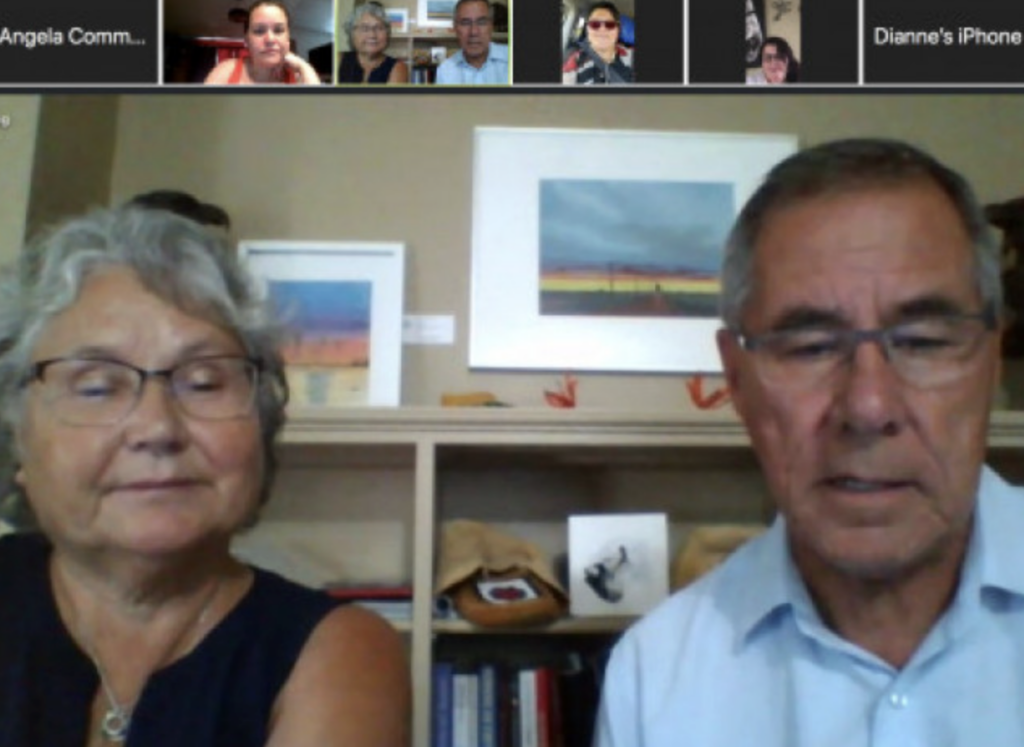
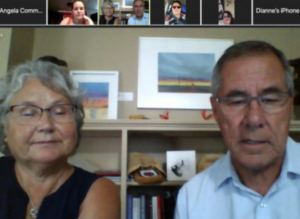 The participants in the Office of the Treaty Commissioner – Youth in Service had interesting guests at their last Zoom call in August.
The Lieutenant Governor of Saskatchewan Russ Mirasty and his wife Donna Mirasty, joined them to speak about what it is like being the first Indigenous person in the role in the province, and to reflect on what it means to be Indigenous.
“We are a wonderful, beautiful, people and we have a lot to share and I think society in general is starting to see that,” Mirasty said to the youth, telling them to believe in who they are and where they come from.
Stepping into the role of Lieutenant Governor meant being of the forefront of change, he said.
“If you want change within a system, the best way to facilitate that or be a catalyst for change is to be within that system,” Mirasty said. “It’s easy to be outside and … but step inside and commit to being part of the change in some way.”
“I’ve had nothing but tremendous support and that’s from my own community, other First Nation and Indigenous communities, and we’re humbled by that and that took away any doubts for me,” he said.
When His Honour was installed, there it was the first time there was a pipe ceremony at Government House.
“By being in the office it’s been a really great opportunity to introduce different aspects of culture and ceremony to the role.”
Mirasty talked about promoting the value of education and his ongoing support for young people.
“It’s really awesome to hear what you have to say to us as youth,” said Kaileigh Dumont, who is part of the Youth in Service team.
In total, 18 youth and staff from the OTC joined the call to hear and be inspired.
“I feel pride in knowing there is a Lieutenant Governor who is a First Nations individual and takes pride in that identity,” said OTC director of public education Amy Seesequasis.
OTC celebrates the graduates of 2020

 The Office of the Treaty Commissioner congratulates the graduates of 2020! This marks the beginning of change, saying goodbye to the patterns, classrooms and friends of the past few years and getting ready to embrace what life throws at you next.
Now is a difficult, and exciting, time for graduates. The world is changing rapidly, which while there is so much unknown, there are also so many ways to have an impact.
Many of the participants in the OTC Youth in Service are graduating this year. Not only did these young men and women, study and work hard in the classroom, but they made it their goal to make a difference in their communities. They traveled across the province from the north to the south, to talk about reconciliation, and to meet others interested in making change.
Congratulations to Aailyah, Peace, Nolan, Emilio, Brelanda, Mya, Chante, Joy, Sarah, Bethany, and Nautia, on your graduation and best wishes and you start your next adventure.
People will tell you it can’t be done until you do it. Then they might tell you it was luck. But, keep succeeding over and over again. Show them your spirit is strong. Show them what you can do.
We are proud of you, your impact, and we are excited to see what you do next.
OTC hosts virtual NIPD event
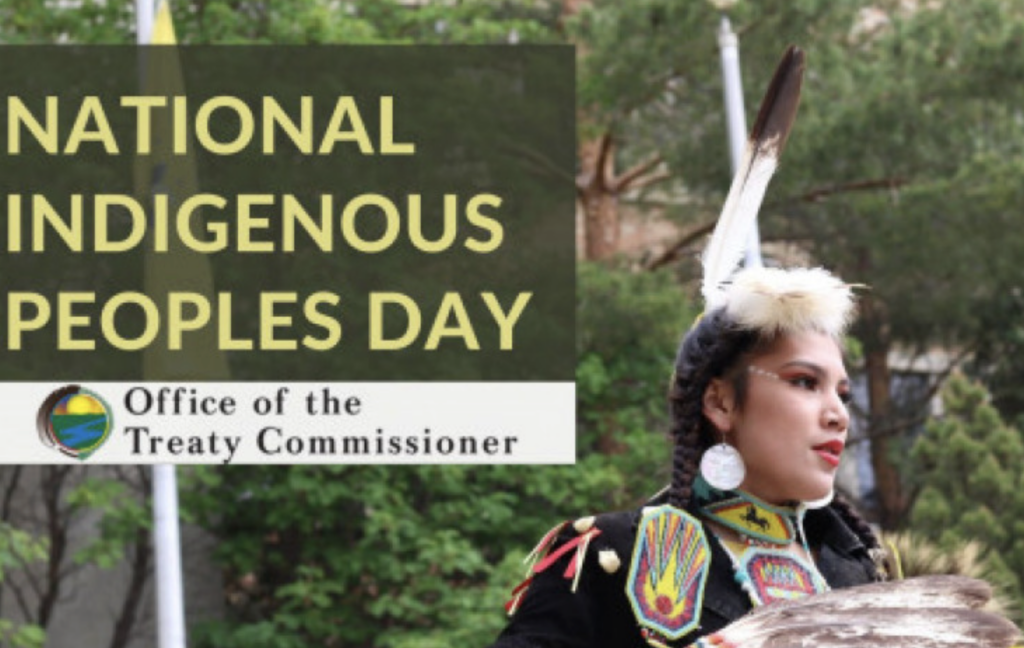
 The Office of the Treaty Commissioner hosted a virtual National Indigenous Peoples Day event on June 21.
We were so excited to have people from across the province join us with their words and performances. The entire event was hosted live by Knowledge Keeper Lyndon Linklater, who pulled the event together wonderfully, sharing information and stories.
It was also great to have you all joining us with comments and feedback. If you missed it, or want to watch your favourite parts again, you can find it on the OTC Facebook page.
OTC marks 5th anniversary since the release of TRC Calls to Action
 On June 1, 2008, the Truth and Reconciliation Commission of Canada began its work documenting the history and impacts of the residential school system on Indigenous students and their families. Across the country residential school Survivors had the opportunity to share their experiences.
In June 2015, the commission released an executive summary of the findings along with 94 Calls to Action to promote the work of reconciliation between Indigenous and non-Indigenous peoples.
Today marks the five-year anniversary of the Calls to Action. The journey of reconciliation remains a part of the Treaty work of the Office of the Treaty Commissioner. In the fall of 2019, the OTC released the Vision for Truth and Reconciliation through Treaty Implementation, which share the collective hopes and goals of Saskatchewan people for the future. We are looking to understand where we are now and plan our way forward, so we can measure the growth of reconciliation in the province.
But we cannot do this work alone. Now more than ever we need everyone to remember that they are part of Treaty, and do their part to ensure Treaty rights are implemented. There are people in these territories who want to be good neighbours and Treaty partners, and through these examples we will honour the relationship our ancestors wanted for us.
We are using the anniversary in a time of COVID-19, with its health and socio-economic impacts, to call on Canada to ensure full implementation of Treaty. Treaty 6 holds the medicine chest clause where it was promised there would be relief in times of pestilence, and throughout Treaty negotiations, promises of medicine and medical care were made.
This means our communities Indigenous and non-Indigenous need to work together to safely and healthily weather this storm. Out most vulnerable population is our elderly: our Survivors of the residential school system, whose truths it is that the Truth and Reconciliation Commission Calls to Action were built on.
Reconciliation is a way forward from past wrongs, and current challenges.
We call on people in Saskatchewan to read the TRC Calls to Action and find ways they can engage in reconciliation. We must walk this journey together.
OTC supports the Masked Makers
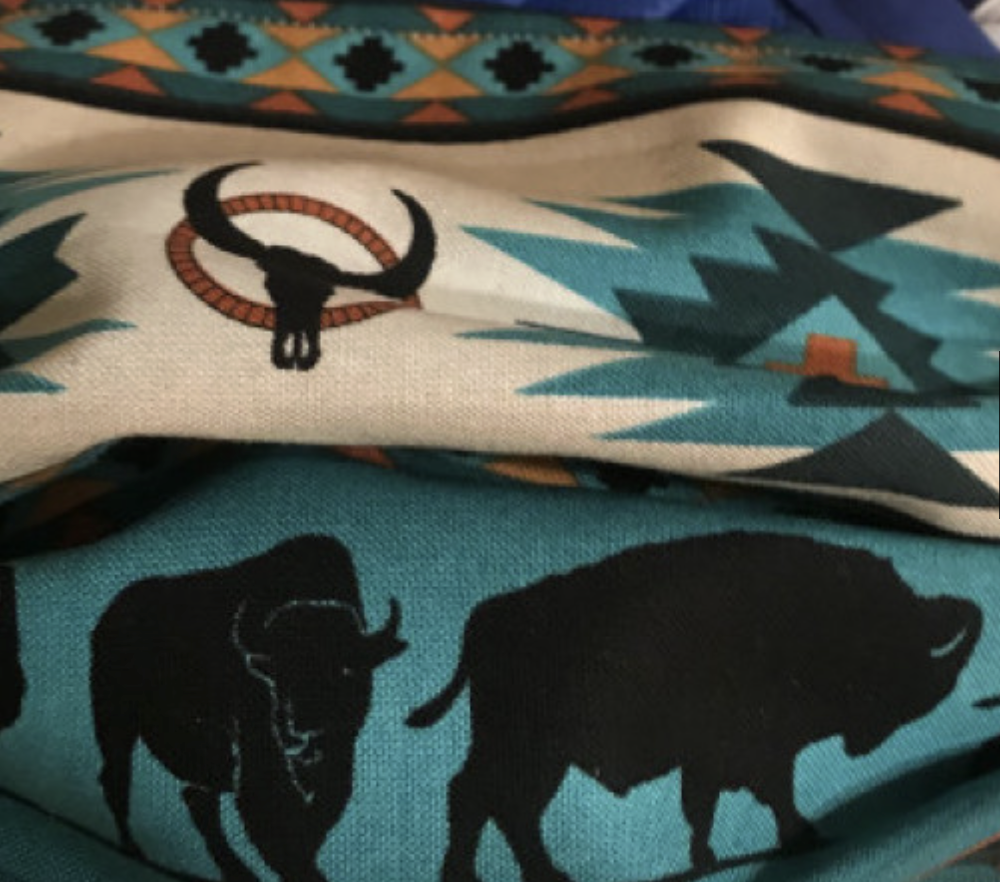
 The Office of the Treaty Commissioner is pleased to partner with and support the work of the Masked Makers, a group of 15 seamstresses located throughout Saskatchewan making masks to support communities during the COVID-19 pandemic.
Angela Bishop began the project in March because she felt it was needed.
“Naturally I am concerned, I am from the northern community of Green Lake and I understand that there are a number of very complex issues and challenges at play in to our communities, so it is quite worrisome,” she said.
“I started to sew a few masks for my mom, my stepdad, who has cancer, and my brother, who drives medical taxi up north, because they don’t have the fortune of being able to stay home. After I made the masks I shared on social media some of the pictures and information on how to make a mask.”
It quickly grew.
“I initially thought I would just share my knowledge, to teach others how, and then I started getting so many mask requests that I asked my family to help,” Angela said. “For several weeks, only a few family members were helping, but I realized this was not enough, so I reached out to friends to ask for help.”
In the past few weeks they have sent more than 1,200 masks to the communities of La Loche, English River, Beauval, Green Lake, Buffalo Narrows, Pinehouse, and Ile a la Crosse. Another more than 1,000 masks have been shipped to individuals across Canada, the Navajo Nation in the USA, AIDS Saskatoon, and other communities and organizations.
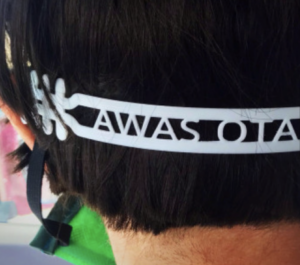
All of the masks they make are free and are intended to incorporate Indigenous culture. For Elders with hearing aids, the group got bands to secure masks behind the hand instead of around the ears, with the words Awas Ota, which loosely translates in Cree as, ‘get away from here.’
“It’s social distancing in the Cree language,” Angela said.
The Masked Makers believe it is important that Indigenous communities have access to reusable face masks, to protect everyone, she said.
“An individual at risk, is a family at risk, is a community at risk, is a Nation at risk, the mask we put on the face of others protects our communities,” Angela said.