
News
Learning a Language
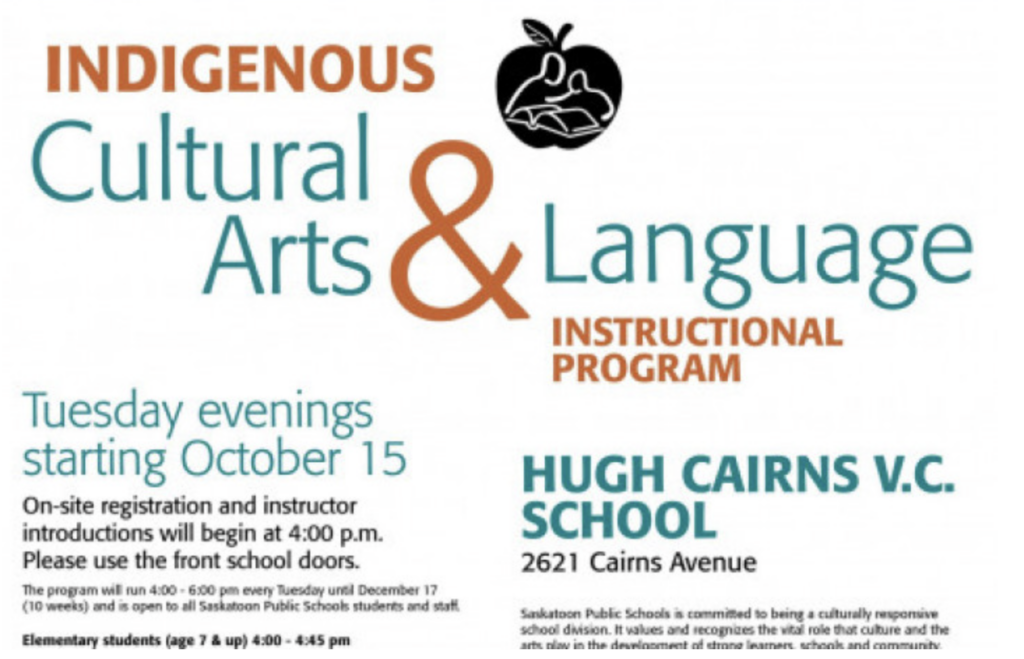
 The Treaty Commissioner of Saskatchewan, Mary Culbertson, is learning more about her Indigenous language – she is signed up to take Nakwé through a program at the Hugh Cairns V.C. School in Saskatoon.
“I don’t have access to fluency in our home. My mom speaks the language and I am fortunate when I do get to hear my relatives or elders speak. Many people’s parents and grandparents did not want to pass on the language for fear of retribution. Today I crave to learn my language,” Mary said.
“I feel my heart being connected when I hear my language. I speak very little, some, but not fluent.”
That is going to change.
The school along with the First Nations, Inuit, Métis Education Unit of Saskatoon Public Schools partnered with the Saskatchewan Indigenous Cultural Centre, and the Office of the Treaty Commissioner to offer language and cultural classes.
It is International Year of Languages, and a time when we are all working towards reconciling past wrongs that happened to Indigenous people. To create positive change, it is vital for education systems to have resources that people impacted by the legacy of residential schools can access to be able to assist in recovery and preservation of the languages that have been so drastically impacted. There are not many Saulteaux Nations in these territories and yet so many of us from these bloodlines live in these urban areas, she said.
“My mom would always tell me when I was younger how they would get punished for speaking their language in school and today we have many of our schools embracing our languages and through programs just like this, our languages will be still spoken with pride,” Mary said.
Statement from the OTC on the passing of Bill McKnight
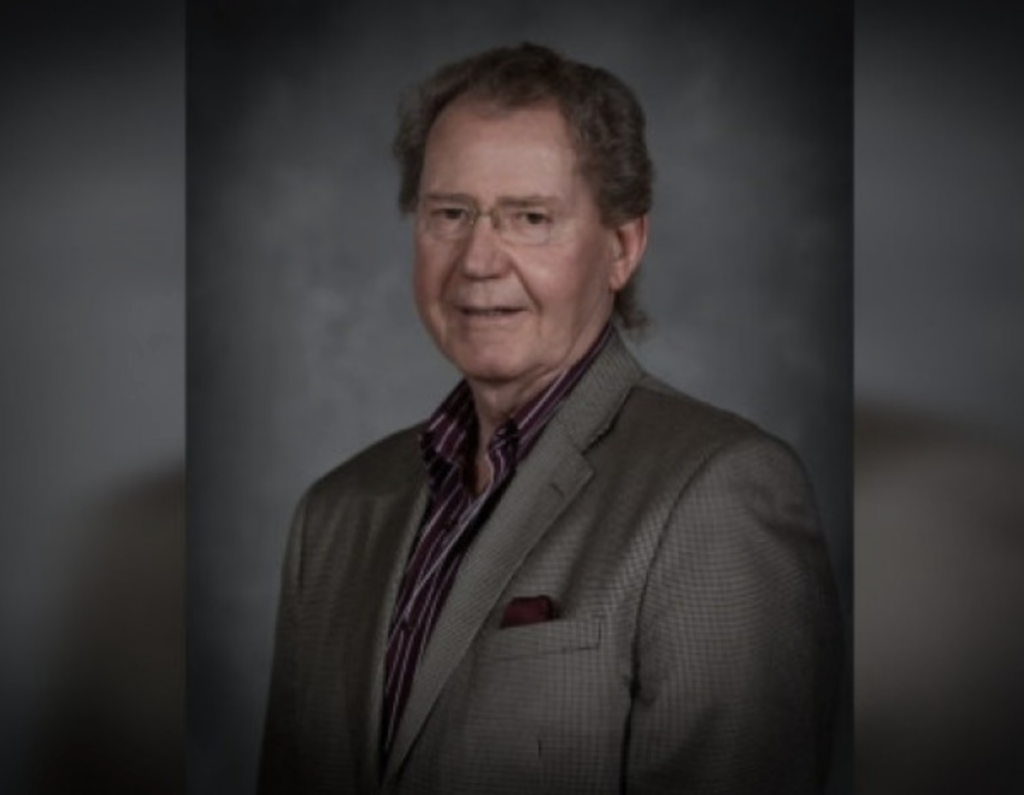
 It is with heavy heart that the Office of the Treaty Commissioner acknowledges the passing of one of the former Treaty Commissioners of Saskatchewan, Hon. Bill McKnight.
“Bill McKnight understood the importance of land and the role of economic independence in Reconciliation. His work on the Treaty Land Entitlement Framework allowed for more economic opportunities for First Nations,” said Mary Culbertson, current and fifth Treaty Commissioner of Saskatchewan.
“He worked to further the understanding that we are all Treaty people, and that economic partnerships and livelihood benefit us all. He will be missed,”
McKnight was Saskatchewan’s third Treaty Commissioner, holding the role from 2007 to 2012.
He will be remembered for his work supporting Indigenous communities. McKnight was the MP for Kindersley–Lloydminster from 1979 to 1993, and he was a driving force in the creation of the 1992 Saskatchewan Treaty Land Entitlement Framework Agreement, when about 2.5 million acres of land were identified that would set to greatly enhance the economic opportunities for First Nations in Saskatchewan.
McKnight was named honorary chief by the Muskeg Lake Cree Nation, appointed as a member of the Order of Saskatchewan, and received an honourary law degree from the University of Saskatchewan.
The Office of the Treaty Commissioner sends our condolences to his family, friends, and colleagues.
Buffalo People Arts Institute event
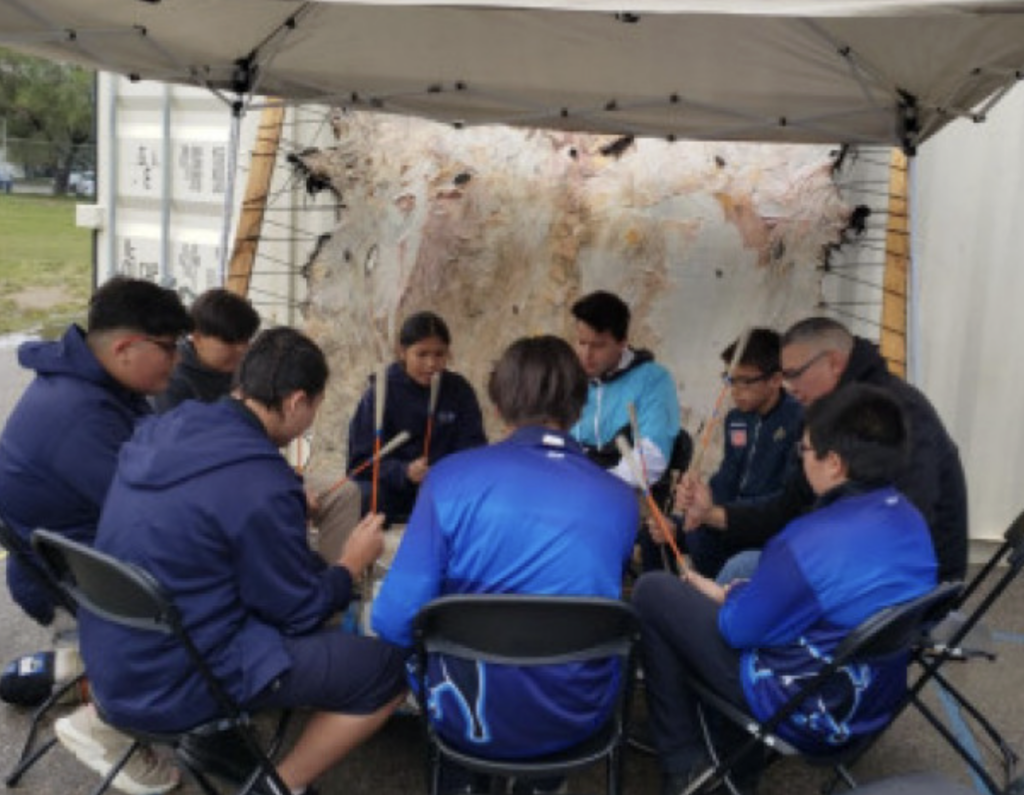
 On Oct.1 The Treaty Commissioner of Saskatchewan, Mary Culbertson, spent the day at Mother Theresa school with Buffalo People Arts Institute and students.
They did an honour song on the first buffalo hide drum they made, and Culbertson participated in scrapping the buffalo hide.
“It was an amazing learning experience and hope to come back again,” she said.
Buffalo People Arts Institute is about sharing traditional Indigenous teachings and knowledge and nurturing it every day so our culture thrives. Learn more on their Facebook page
OTC and Sask. Reconciliation Groups introduce a Vision for Reconciliation
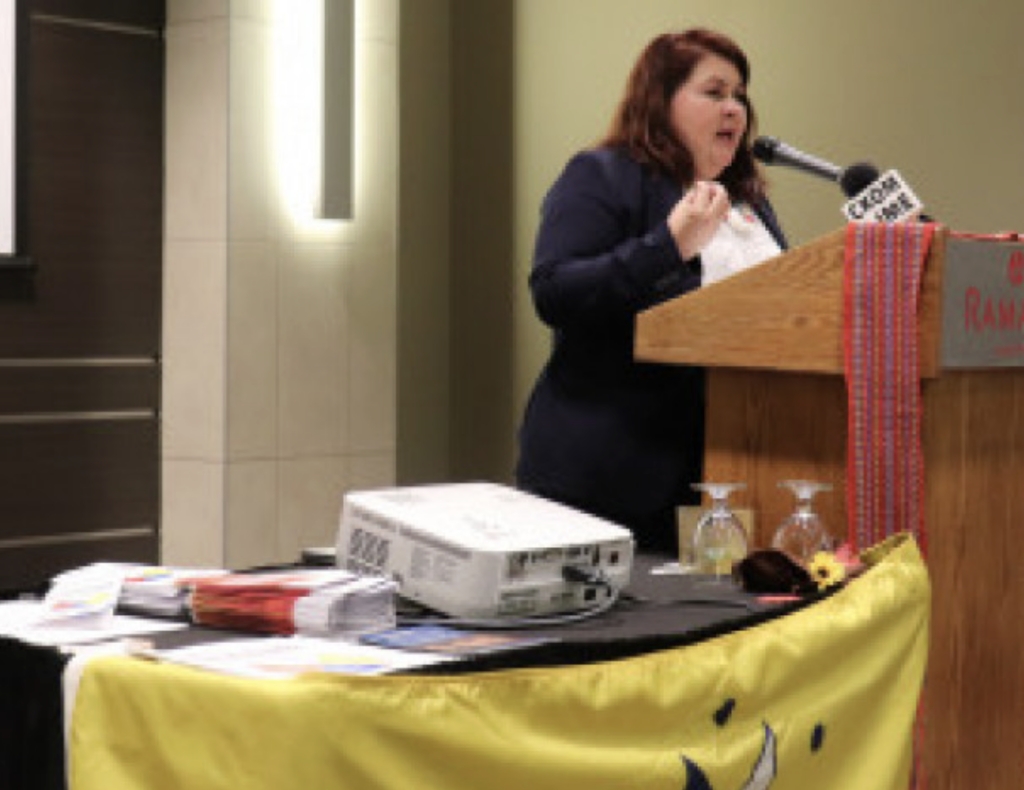
 The Office of the Treaty Commissioner and its Reconciliation partners across the province are pleased to publicly introduce a made-in-Saskatchewan Vision for Truth and Reconciliation through Treaty Implementation. We are asking people to believe in, and work towards, a better future for everyone.
“We believe that if we can come together on a common vision for success, that we can better work together, and determine how progress is being made.” said Treaty Commissioner of Saskatchewan, Mary Culbertson.
OTC has been working with partners since 2014 to develop the Vision for Reconciliation. In this process, we’ve asked thousands of Indigenous and non-Indigenous citizens from Saskatchewan about the reconciliation story they’d like to tell in a generation. The vision was created based on feedback from community leaders, Elders, Residential School Survivors, and the public.
Learning about history, building relationships, having vibrant cultures and building systems that work for everyone – those are the elements people have described as crucial for successful reconciliation.
The Treaty Relationship was intended to be one of mutual benefit,” Culbertson said. “There is a long road ahead of us and we believe this vision is something that can be used to guide all Treaty People on the journey.”
Across the province people of action are coming together to build relationships, trust, and understanding among local leaders, and to make positive change in their community. These include coalitions in Saskatoon, Regina, Heart of Treaty Six (Lloydminster, Onion Lake, Frog Lake, Poundmaker), Yellow Quill/Kelvington, Prince Albert and Prairie Rivers Reconciliation (Warman, Martensville, One Arrow, Osler), Nipawin, Battlefords, and Yorkton.
“As Senator Murray Sinclair, Chief Commissioner of the Truth and Reconciliation Commission says, ‘It begins with a vision of reconciliation and measuring all that we do against that vision.’ That is the goal of our work,” said Rhett Sangster, OTC’s Director Reconciliation, Community Partnerships.”
Treaty 6 Adhesion Commemoration
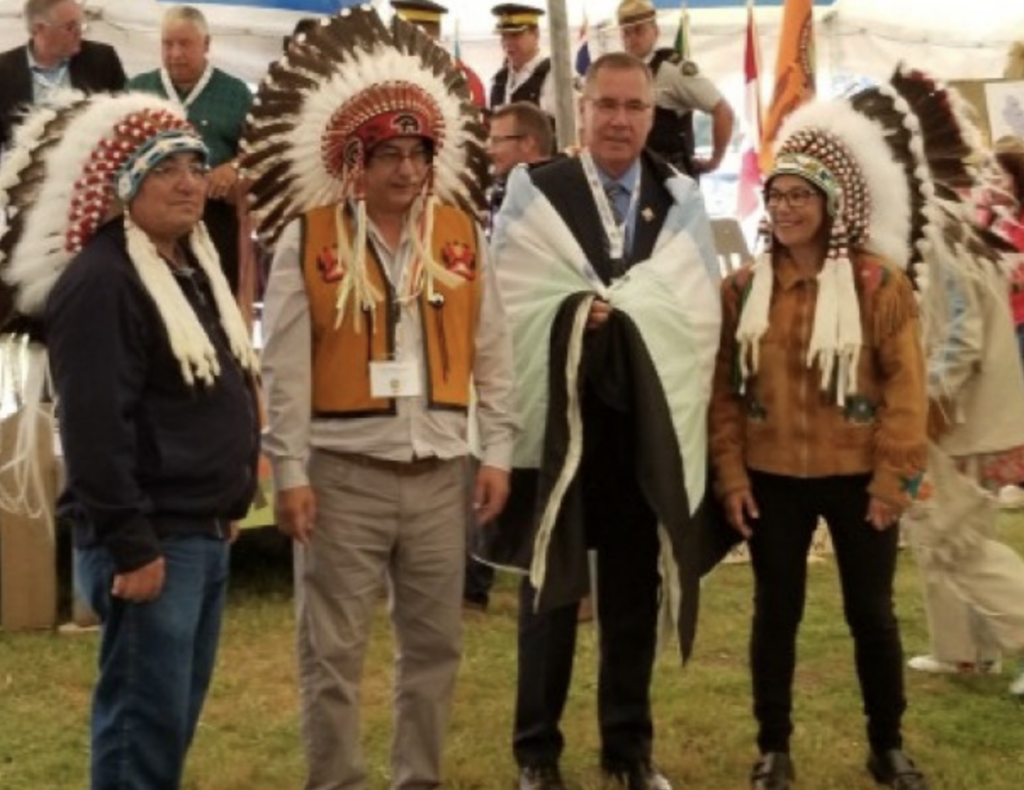
 The Office of the Treaty Commissioner with the Treaty 6 Adhesion 1889 Commemoration Committee celebrated 130 years since the signing of Treaty 6 Adhesion on Aug. 28, at the geographical centre of Saskatchewan, Molanosa at the Molanosa Cultural Grounds
The day began by honouring the spirit and intent of Treaty with a Pipe Ceremony. There was the unveiling of the Treaty 6 Adhesion plaque and flag.
“It was a proud day to be part of the 130th Commemoration of the 1889 Treaty 6 Adhesion. The work and effort into such a legacy project has been just amazing, it is an honour to be part of this group,” said Mary Culbertson, Treaty Commissioner of Saskatchewan.
“The importance of the signing of the Treaty 6 Adhesion 1889 in building Canada has to be recognized. Commemorations are important to teach youth, celebrate Treaty history, and remind the parties of the signing that they have Treaty obligations that they need to fulfil.”
There has been little education about Treaty adhesions and we are working to change that, Culbertson said. There have been 18 adhesions to Treaty 6 right up until the 1950s.
“It is vital to know where we all came from and how our ancestors on both sides made Treaty to give their grandchildren and children a better life in a changing world.”
The Treaty 6 Adhesion Commemoration Project Committee is comprised of volunteers from Lac La Ronge Indian Band, Montreal Lake Cree Nation, Peter Ballantyne Cree Nation, Prince Albert Grand Council, Federation of Sovereign Indigenous Nations, and Office of the Treaty Commissioner.
Pathway to Reconciliation: City and partners release ayisiyiniwak (Second edition)
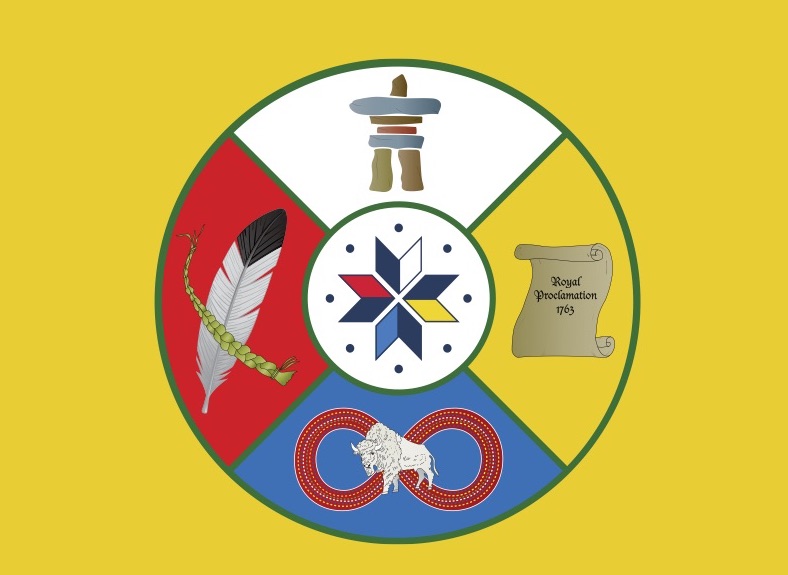
 The City, along with collaborating partners Saskatchewan Indigenous Cultural Centre (SICC) and Office of the Treaty Commissioner (OTC), is pleased to share the second edition of “ayisiyiniwak [a/yi/see/ni/wak, Cree for ‘the people’]: A Communications Guide” (ayisiyiniwak).
Originally developed in 2017 as an educational resource for City employees to enhance their understanding of Indigenous culture and practices, copies of the guide have since been requested by organizations across Canada including government agencies, other municipalities, educational institutions and community groups.
“The creation of ayisiyiniwak has helped us to build understanding and forge a path of partnership with the Indigenous community,” said Mayor Charlie Clark. “The leadership shown from our staff in partnership with the OTC and SICC is something to be truly proud of. Now I have civic leaders from across the country asking me for these guides.”
The second edition of ayisiyiniwak has been updated with:
• a chapter devoted to Métis culture and local history;
• a new Inuit chapter;
• revised Cree translations (including the title) as reviewed by nêhiyawak or Cree speaking linguists;
• new sections within the First Nations chapter including 60s Scoop, Elder’s Helper, Syllabics, Flag Etiquette, Anthems/Honour Songs, The Grand Entry, Blanketing and Two-Spirit People;
• several new terms and suggested resources.
“The Saskatchewan Indigenous Cultural Centre is pleased to be part of this handbook. On behalf of the Board of Governors, the Elders Council, and the staff we would like to commend the City of Saskatoon and the Office of the Treaty Commissioner for their commitment and dedication to developing this second edition. Education comes in many forms and this handbook provides a platform for, not only City employees, but for everyone to enjoy and begin to learn a little about Indigenous culture. Reconciliation begins with understanding. Understanding begins with openness, respectfulness, compassion, and willingness. Understanding isn’t always easy or beautiful, it takes time and is very personal. Be patient and open to learn and become more mindful and respectful of Indigenous ways of being,” said Wanda Wilson, President, Saskatchewan Indigenous Cultural Centre.
ayisiyiniwak is part of the City’s commitment to respond to the Truth and Reconciliation of Canada’s Call to Action #57, which specifically calls upon governments to: “provide education to public servants on the history of Aboriginal peoples, including the history and legacy of residential schools, the United Nations Declaration on the Rights of Indigenous Peoples, Treaties and Aboriginal rights, Indigenous law, and Aboriginal-Crown relations.”
“The Office of the Treaty Commissioner is committed to engaging in public information and awareness to advance the Treaty goal of good relations. The ayisiyiniwak communications guide continues to grow and support the work of reconciliation,” said Treaty Commissioner of Saskatchewan, Mary Culbertson. “Being able to understand each other results in building positive, trusting relationships.”
During the development of the second edition, the project team was privileged to have the guidance of a Cree linguist, several First Nation and Métis Elders, as well as the Inuit Tapiriit Kanatami [ITK].
The project team also wishes to acknowledge the support of Gabriel Dumont Institute and the Saskatoon Tribal Council, who through a summer employment partnership opportunity helped make the second edition of ayisiyiniwak possible.
The first edition of the guide recently won a National Planning Excellence Award of Merit from the Canadian Institute of Planners in the category of Planning for Reconciliation.
For more information and to download and digital copy of ayisiyiniwak, visit saskatoon.ca/ayisiyiniwak.
Teaching Treaties Workshop 2019
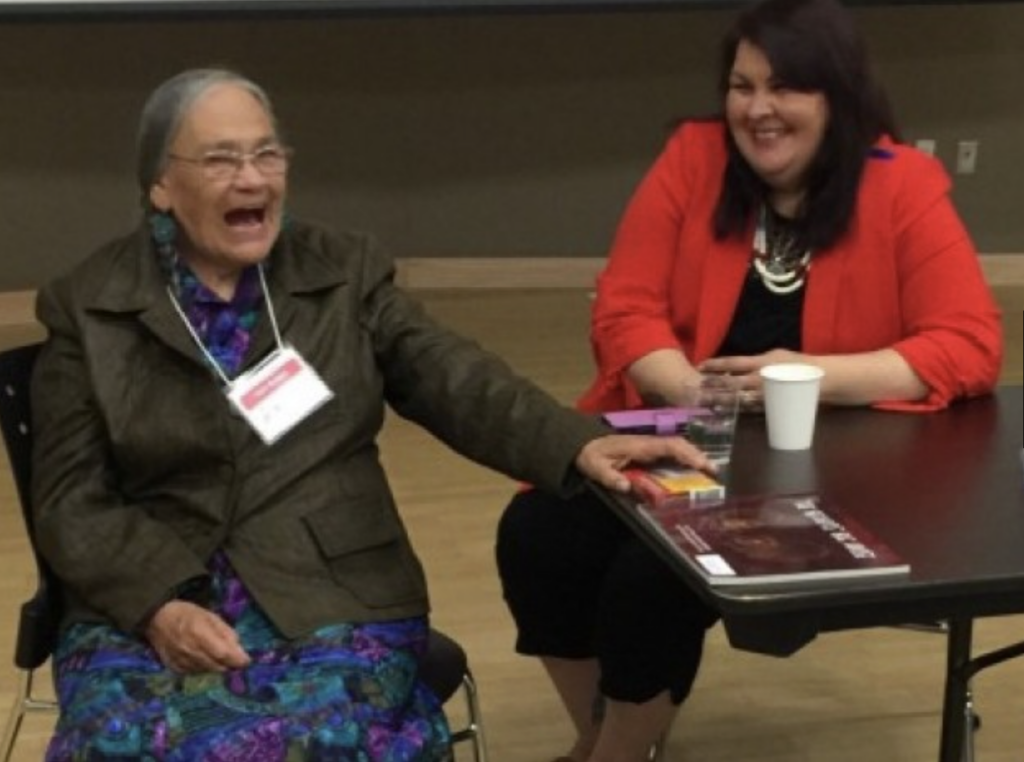
 The Office of the Treaty Commissioner works to see an increase in the number of educators comfortable with teaching Treaties in the classroom through a series of workshops.
Teaching Treaties in the Classroom ran in Saskatoon July 30 to Aug. 2 with an enthusiastic group from Saskatchewan, Alberta, Manitoba, India and Columbia. At the end of the four days, 22 new treaty catalyst teachers left excited to share their knowledge.
Along with Elder teachings, instructors ran simulations and facilitated discussions on Treaties with the participants.
It was Elder Gladys’s birthday on Tuesday, and Treaty Commissioner Mary Culbertson came to share in the celebration.
The workshop is sponsored by Saskatchewan Teachers Federation and the Office of the Treaty Commissioner.
Treaty 6 Medal Repatriation Ceremony
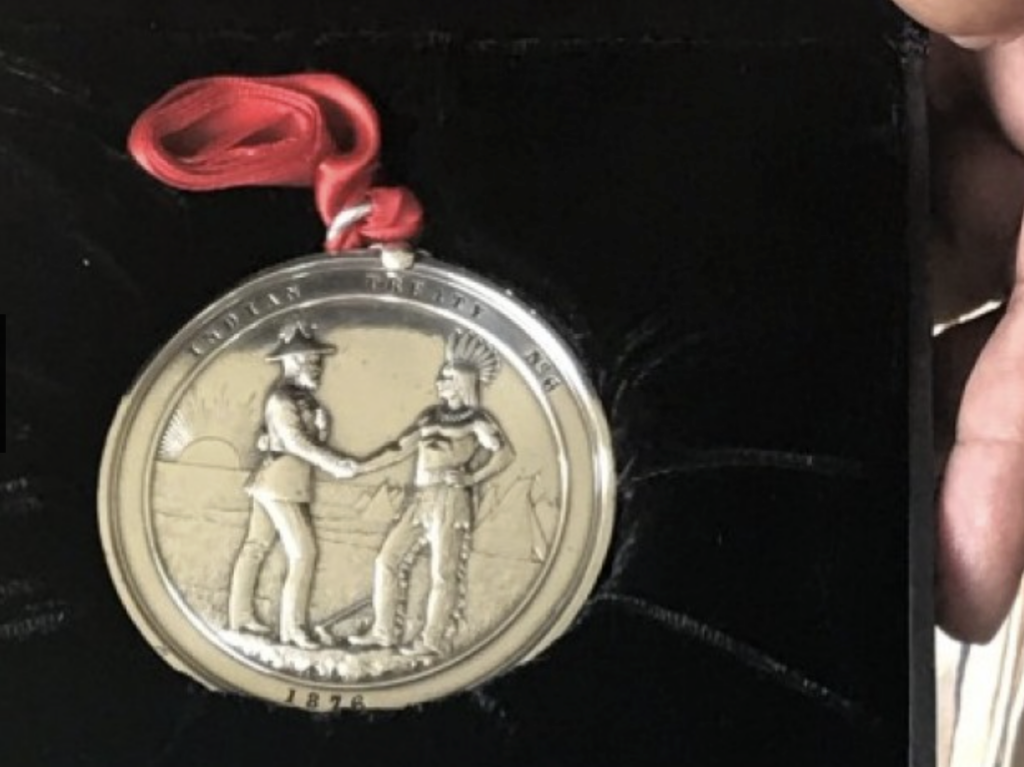
 A stolen Treaty 6 medal has been returned home to Red Pheasant Cree Nation, 134 years after it was taken.
The official repatriation ceremony held at the George Benson Memorial Grounds on July 4, 2019, was attended by people from across North America.
“Lots of people came to celebrate with their relations,” said Treaty Commissioner of Saskatchewan, Mary Culbertson.
Culbertson spoke at the event, sharing what she heard from Former Red Pheasant Chief Craig Wuttunee about how Elders felt with the medal’s return. They said they feel like they have “our heart back.”
“I had to stop talking a couple of times, it was very emotional to feel the treaty medal and the energy that was coming from it being back on the land it was taken from,” Culbertson said.
This Treaty medal was given to Chief Red Pheasant in 1876 at Fort Carlton. After his passing, the medal was removed from his body by the Indian agent who attended the funeral. The medal disappeared for decades, until a curator at the Manitoba Museum found it and a letter suggesting the theft in 2002. This started the process of getting the medal returned to its rightful owners.
Culbertson called the return historic.
“I was thankful that I got to represent a different era, but ashamed for the way the Queen’s messengers in the past behaved.”
The Office of the Treaty Commissioner offers congratulations to the Elders, leadership and the people of Red Pheasant.
Celebrating 140 since Treaty signing at Fort Walsh
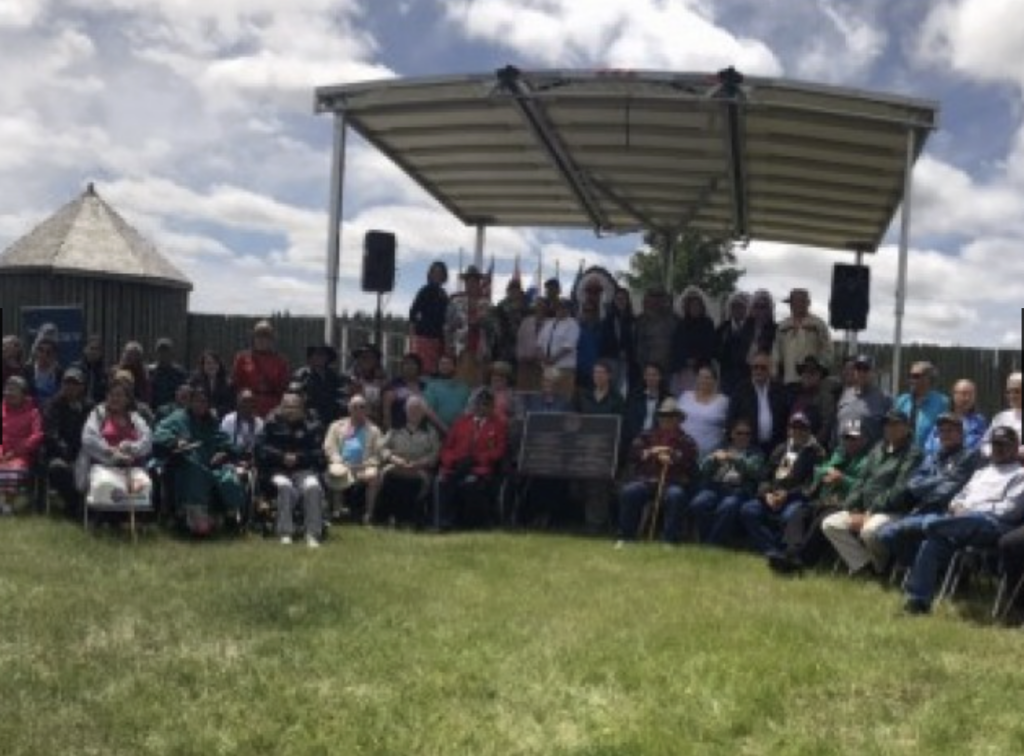
 On July 2, people gathered outside Fort Walsh to commemorate 140 years since Chief Luckyman and Chief Little Pine signed their Treaty.
The event called “Moving forward with reconciliation,” was hosted by Clayton Mclain Memorial Museum, Little Pine First Nation, Luckyman Cree Nation, and Parks Canada.
“It was so nice to be back in my ancestors’ traditional lands. Listening to the chief say it was time for us to return home was moving,” said Trish Greyeyes, executive director of the Office of the Treaty Commissioner.
“Chief Alvin Francis from Nekaneet Frist Nation talked about how he had been telling the ranchers in the area how First Nations people would start returning to this land.”
During the event band members stayed in tipis outside the fort and shared stories. They spoke of how their ancestors would come to the area to pick medicine, and how communities would come together. There were also sad moments, as people talked about the Cypress Hills Massacre, when more than 20 people died in a mass murder.
Passing of Lieutenant Governor Thomas Molloy
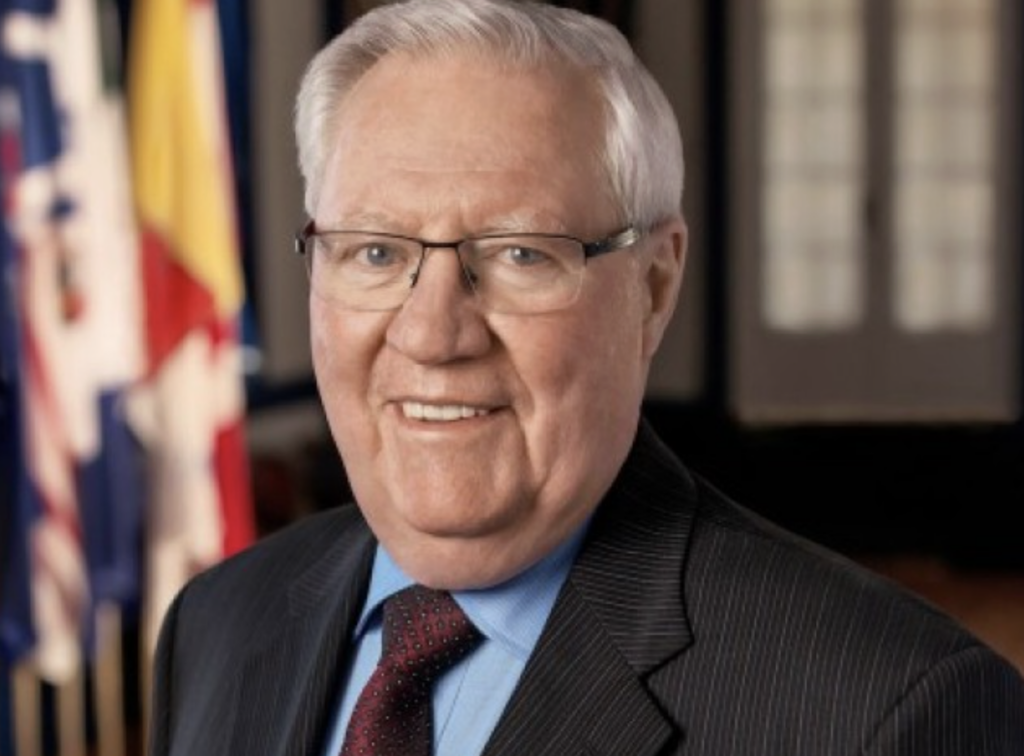
 The staff at the Office of the Treaty Commissioner are heartbroken over the news of the passing of the lieutenant governor Tom Molloy. We send our condolences to his family, friends, and colleagues.
The 22nd lieutenant governor of Saskatchewan passed away on July 2, following a battle with cancer.
Molloy is well known for his work Treaty settlements, including the Nisga’a treaty in British Columbia in 2000, and negotiations, particularly in the discussion that led to the creation of Nunavut.
“He was known for his deep respect for Treaty, and his work towards Reconciliation with Indigenous Peoples,” said Treaty Commissioner of Saskatchewan, Mary Culbertson. “The province has lost an outstanding advocate and role model.”
Molloy’s years of service earned him the Saskatchewan Order of Merit as well as an officer of the Order of Canada.